
August 24, 2026
In this article
- What You Will Learn From This Blog
- What is Automated Accounting Software and How Does It Work?
- How AI Is Transforming Modern Bookkeeping
- Which Bookkeeping Tasks Can AI Handle Automatically
- Will AI Replace Bookkeepers or Change Their Profession?
- Essential Responsibilities That Still Require Human Bookkeepers
- Benefits of Combining AI With Professional Bookkeeping
- Challenges and Limitations of AI in Bookkeeping
- AI Vs Human Bookkeepers: A Practical Comparison
- How Small Businesses Benefit From Automated Accounting Software
- Why Businesses Choose CashBooks.io For AI-Powered Bookkeeping
- Our Expert Perspective
- Key Takeaways
- FAQs
Artificial intelligence is changing how businesses manage financial records, process transactions, and prepare reports. As more companies adopt automated accounting software, many business owners are asking one important question: will AI replace bookkeepers? The answer is no. AI automates routine bookkeeping tasks, but it does not replace the expertise needed for financial review, compliance, and business decision-making.
The growing discussion around will AI replace bookkeepers comes from AI's ability to categorize transactions, reconcile bank accounts, and generate reports in less time. While automated accounting software reduces manual work and improves efficiency, experienced bookkeepers continue to play an essential role by applying professional judgment, ensuring accuracy, and providing financial guidance that software alone cannot deliver.
What You Will Learn From This Blog
- Learn how AI is changing modern bookkeeping.
- Discover how automated accounting software works.
- Identify bookkeeping tasks AI can complete today.
- Understand which responsibilities still require human expertise.
- Compare AI and human bookkeepers in practical situations.
- Learn how small businesses benefit from AI-powered bookkeeping.
- Discover how CashBooks.io combines AI with professional accounting.
What is Automated Accounting Software and How Does It Work?
Many people discussing will AI replace bookkeepers first need to understand how automated accounting software actually works. These platforms combine accounting rules with artificial intelligence to process financial information quickly while reducing manual work.
Rather than replacing accounting knowledge, they organize financial data and complete routine activities that previously required significant time.
Automatic Data Collection
The software connects with bank accounts, payment platforms, invoices, and expense records. Financial information enters the accounting system automatically without repeated manual entry.
Intelligent Transaction Matching
AI compares bank transactions with invoices, receipts, and accounting records. When transactions match correctly, reconciliation becomes much faster.
Smart Categorization
Based on historical accounting data, AI suggests suitable expense and income categories. Bookkeepers review recommendations before final approval whenever necessary.
Report Generation
Financial statements, cash flow summaries, and profit reports are prepared automatically using updated accounting records. Business owners receive timely financial information throughout the month.
Error Detection
AI continuously checks for duplicate transactions, unusual spending patterns, missing invoices, and inconsistent entries. Potential problems are highlighted before financial reports are finalized.
How AI Is Transforming Modern Bookkeeping
Artificial intelligence is transforming modern bookkeeping by automating routine tasks and improving efficiency. As businesses continue to ask, will AI replace bookkeepers, the reality is that AI is changing their role from manual data entry to financial analysis and business guidance.
Faster Transaction Processing
AI can process thousands of transactions within minutes. Instead of entering every payment manually, accounting systems automatically classify income and expenses based on previous records.
Businesses save valuable time while maintaining organized financial data.
Better Bank Reconciliation
Matching bank statements with accounting records once required several hours every month. Modern AI systems compare transactions automatically and highlight unmatched entries for review.
This allows bookkeepers to focus on investigating exceptions instead of checking every transaction individually.
Smarter Expense Categorization
Expense classification becomes more consistent when AI learns from previous bookkeeping activities. Similar expenses are placed into the correct categories with minimal manual effort.
Human review remains important for unusual or complex transactions.
Continuous Financial Monitoring
Modern bookkeeping software monitors financial activities throughout the day instead of waiting until month-end.
Business owners receive quicker updates about cash flow, expenses, and account balances.
Reduced Manual Errors
Typing mistakes, duplicate entries, and incorrect classifications become less common when AI performs repetitive bookkeeping activities.
Bookkeepers can spend more time reviewing financial accuracy instead of correcting data entry mistakes.
Which Bookkeeping Tasks Can AI Handle Automatically
The discussion about will AI replace bookkeepers often focuses on automation. While AI cannot perform every accounting responsibility, it already manages many routine bookkeeping activities with impressive speed and consistency.
Businesses using automated accounting software often complete daily accounting work much faster than traditional manual processes.
Data Entry
Invoices, receipts, and payment records are captured automatically from connected systems.
Manual typing becomes significantly lower.
Invoice Processing
AI extracts important details from invoices and records them in the accounting system.
This reduces processing time while maintaining consistency.
Bank Reconciliation
Transactions from bank accounts are automatically matched with accounting records.
Bookkeepers mainly review exceptions rather than every transaction.
Expense Management
Employee expenses can be captured, categorized, and recorded automatically using AI-powered workflows.
Approval processes also become faster.
Duplicate Detection
AI identifies duplicate invoices, repeated payments, unusual transactions, and missing records before they become larger accounting problems.
Although automation continues to expand, the answer to will AI replace bookkeepers is that AI handles routine tasks while experienced professionals continue to provide financial judgment, compliance expertise, and business guidance that technology alone cannot replace.
Will AI Replace Bookkeepers or Change Their Profession?
The question will AI replace bookkeepers continues to grow as businesses adopt automated accounting software, but AI is changing the profession rather than replacing skilled bookkeepers who provide judgment, compliance expertise, and valuable financial guidance.
AI Handles Repetitive Tasks
Many people asking will AI replace bookkeepers are referring to repetitive tasks like transaction categorization, bank reconciliation, invoice matching, and report preparation, which AI can automate efficiently.
Bookkeepers spend less time on routine work and more time reviewing financial information.
Human Judgment Still Matters
Accounting often involves situations where multiple treatments may apply. Business changes, one-time transactions, and industry-specific rules require professional judgment.
Software can recommend an action, but qualified bookkeepers decide the most appropriate accounting treatment.
Business Advice Requires Experience
Business owners frequently ask questions about cash flow, budgeting, and financial performance.
AI can summarize financial data, but experienced professionals explain the results and recommend practical actions.
Regulations Continue To Change
Accounting standards and financial regulations change regularly.
Bookkeepers stay informed about these changes and apply them correctly within business records. AI follows programmed rules but still requires human oversight.
Client Relationships Remain Important
Many businesses value direct communication with their bookkeeping partner.
Explaining financial reports, discussing concerns, and planning future financial activities require trust that software cannot replace.
The Profession Is Expanding
Instead of removing bookkeeping jobs, AI is creating demand for professionals who understand both accounting principles and intelligent automation.
The future belongs to bookkeepers who combine financial expertise with modern technology.
Essential Responsibilities That Still Require Human Bookkeepers
Even with advanced automated accounting software, many accounting responsibilities continue to depend on professional expertise. This is one reason the answer to will AI replace bookkeepers remains no for most businesses.
Financial Review
Bookkeepers review transactions before final reports are prepared. They verify accuracy, investigate unusual activity, and correct accounting issues when necessary.
Compliance Monitoring
Tax rules, accounting standards, and reporting requirements differ across industries and countries. Experienced professionals ensure financial records meet current compliance requirements.
Exception Handling
Not every transaction follows standard patterns. Complex business purchases, ownership changes, mergers, refunds, and adjustments often require manual review.
Internal Financial Controls
Bookkeepers establish review processes that reduce fraud and accounting errors. They verify approvals, maintain documentation, and monitor financial controls.
Business Communication
For businesses asking will AI replace bookkeepers, clear financial explanations remain just as valuable as accurate reports. Professional bookkeepers translate accounting information into practical business language.
Benefits of Combining AI With Professional Bookkeeping
Businesses achieve the strongest results when AI works alongside experienced accounting professionals. Rather than asking only will AI replace bookkeepers, companies should focus on how technology and expertise complement each other.
Better Accuracy
AI reduces manual entry while bookkeepers review exceptions and confirm financial accuracy. This combination creates more reliable accounting records.
Faster Month-End Closing
Routine accounting work is completed automatically throughout the month. Bookkeepers spend their time reviewing reports instead of processing transactions.
Stronger Financial Visibility
Business owners receive updated reports more frequently. This allows quicker decisions based on current financial information.
Better Resource Allocation
Accounting teams spend less time on repetitive administration. More time becomes available for financial analysis and planning.
Reduced Operational Costs
Automation lowers the amount of manual processing required for daily bookkeeping. Businesses often complete accounting work with greater efficiency.
Challenges and Limitations of AI in Bookkeeping
Although AI continues to become more capable, it also has limitations. Businesses asking will AI replace bookkeepers should understand where human expertise remains essential.
Limited Business Context
AI processes available data but may not fully understand business objectives behind certain transactions. Professional review remains necessary.
Dependence on Data Quality
Incorrect or incomplete financial data produces inaccurate recommendations. Bookkeepers verify source information before relying on automated results.
Cybersecurity Risks
Financial systems contain sensitive business information. Companies must maintain strong security practices alongside AI adoption.
Complex Accounting Situations
Businesses asking will AI replace bookkeepers should note that acquisitions, restructuring, foreign transactions, and other complex financial events still require professional accounting expertise. Automation cannot independently evaluate every complex scenario.
Human Oversight Remains Essential
AI produces recommendations based on available information. Qualified professionals review those recommendations before financial decisions are made.
AI Vs Human Bookkeepers: A Practical Comparison
Businesses asking will AI replace bookkeepers often compare technology directly with professional accountants. In reality, each performs different responsibilities.
| AI Bookkeeping | Human Bookkeepers |
|---|---|
| Processes transactions quickly | Reviews financial accuracy |
| Matches bank records automatically | Investigates unmatched entries |
| Generates financial reports | Explains report findings |
| Detects unusual patterns | Applies professional judgment |
| Works continuously | Communicates with business owners |
| Learns from previous records | Understands changing business needs |
The strongest bookkeeping process combines both approaches instead of choosing one over the other.
How Small Businesses Benefit From Automated Accounting Software
Small businesses often have limited accounting resources. Using automated accounting software allows owners to manage daily financial activities while keeping professional bookkeeping available when needed.
Saves Administrative Time
Routine bookkeeping tasks require fewer manual hours. Business owners can focus on sales, customers, and operations.
Provides Faster Financial Reports
Financial information becomes available throughout the month. Owners monitor performance without waiting for month-end reports.
Reduces Manual Errors
Automation decreases duplicate entries, typing mistakes, and inconsistent transaction categories, but this does not mean will AI replace bookkeepers has a simple yes-or-no answer. Financial records remain more organized.
Simplifies Cash Flow Monitoring
AI tracks incoming payments, outgoing expenses, and account balances automatically. Business owners gain better visibility into available funds.
Supports Business Growth
As transaction volume increases, accounting systems continue processing larger amounts of financial data efficiently. Businesses avoid many manual bottlenecks.
Works Alongside Professional Accountants
Modern automated accounting software does not replace accounting professionals, reinforcing that the answer to will AI replace bookkeepers is more about transforming their role than eliminating it.
By now, the answer to will AI replace bookkeepers becomes much clearer. AI is changing daily bookkeeping activities, but businesses continue to depend on experienced professionals for financial review, compliance, planning, and informed decision-making. The future of bookkeeping lies in combining intelligent automation with human expertise rather than choosing one over the other.
Why Businesses Choose CashBooks.io For AI-Powered Bookkeeping
Businesses wondering will AI replace bookkeepers often discover that modern accounting software combines AI automation with practical financial management, and CashBooks.io delivers both in one platform.
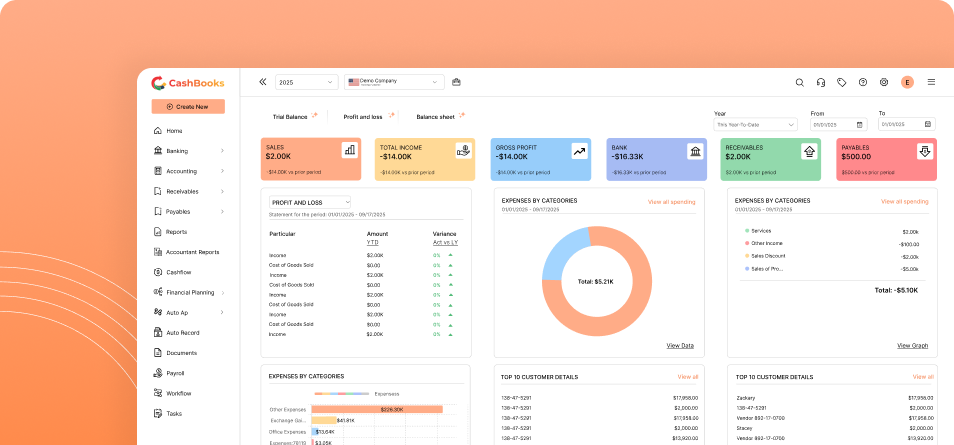
CashBooks.io automates routine bookkeeping tasks, provides real-time financial visibility, and keeps businesses in control of every important financial decision.
Smart Transaction Categorization
CashBooks.io automatically categorizes income and expenses based on previous accounting patterns. Users can review and approve suggestions before finalizing their books.
Faster Bank Reconciliation
Connected bank accounts allow transactions to be matched automatically. This reduces manual reconciliation time and highlights exceptions that require review.
AI-Powered Financial Insights
The platform generates meaningful financial summaries, spending trends, and business reports. Decision-makers receive timely information that supports better financial planning.
Easy Expense Management
Receipts, invoices, and business expenses can be captured and organized in one place. This reduces paperwork and keeps financial records up to date.
Real-Time Financial Visibility
Business owners can monitor cash flow, revenue, expenses, and account balances throughout the month instead of waiting for month-end reports.
Built For Growing Businesses
Businesses asking will AI replace bookkeepers often find that the real advantage lies in combining intelligent automation with professional accounting features. CashBooks.io helps startups, growing businesses, and established companies improve efficiency without sacrificing financial accuracy.
Our Expert Perspective
Accounting technology continues to change the way businesses manage their finances. Based on our experience working with modern accounting systems, AI delivers the greatest value when it reduces repetitive bookkeeping work while allowing professionals to focus on financial review, planning, and business advice.
Although many wonder will AI replace bookkeepers, businesses should not treat AI as a substitute for accounting expertise. Instead, AI should be treated as a practical tool that increases efficiency, strengthens financial visibility, and reduces routine administrative work.
Organizations that combine skilled bookkeepers with intelligent accounting software are better positioned to maintain accurate financial records and make informed business decisions.
Key Takeaways
- AI is changing bookkeeping, not eliminating it.
- The answer to will AI replace bookkeepers is that AI replaces repetitive tasks, not professional judgment.
- Automated accounting software reduces manual data entry and speeds up daily bookkeeping.
- Human bookkeepers remain essential for compliance, financial review, and business advice.
- AI works best when combined with experienced accounting professionals.
- Small businesses benefit from faster reporting, improved accuracy, and better financial visibility.
- Choosing the right accounting platform can increase efficiency while maintaining reliable financial records.
- CashBooks.io combines AI with practical accounting tools designed for modern businesses.
FAQs
Can AI completely replace bookkeepers?
No. While many businesses ask, "will AI replace bookkeepers," AI mainly automates routine tasks. Professional bookkeepers are still needed for financial review, compliance, business advice, and complex accounting decisions.
Why do businesses use automated accounting software?
Businesses use automated accounting software to reduce manual work, process transactions faster, improve accuracy, and receive financial reports more quickly.
Is AI bookkeeping suitable for small businesses?
Yes. Small businesses can save time, organize financial records, monitor cash flow, and reduce manual errors by using AI-powered bookkeeping software.
What bookkeeping tasks can AI perform today?
AI can categorize transactions, reconcile bank accounts, process invoices, record expenses, detect duplicate entries, and prepare financial reports automatically.
Can AI bookkeeping software work with my existing accounting process?
Yes. Many AI-powered accounting solutions integrate with bank accounts and business applications, allowing companies to automate routine tasks without changing their entire workflow.