
August 6, 2026
In this article
- What You Will Learn From This Blog
- Why Multi-Client Bookkeeping Software Matters For Modern CPA Firms
- Core Features Every Multi-Client Bookkeeping Software Should Include
- How Bookkeeping Workflow Automation Improves Client Management
- Client Dashboard Features That Help CPA Firms Stay Organized
- AI-Powered Capabilities That Enhance Multi-Client Bookkeeping Software
- How Integration With Accounting Apps Simplifies Daily Workflows
- Common Mistakes CPA Firms Make When Choosing Bookkeeping Software
- Why CashBooks.io is a Smart Choice For CPA Firms
- Our Expert Perspective
- Key Takeaways
- FAQs
Managing bookkeeping for one client is simple compared to handling financial records for dozens or even hundreds of businesses. CPA firms work with different industries, reporting schedules, bank accounts, and compliance requirements every day. Without the right multi-client bookkeeping software, teams often spend extra time switching between client files, tracking pending work, and correcting manual errors.
A centralized platform allows firms to manage multiple clients from one place while maintaining accurate records and consistent bookkeeping processes. Choosing multi-client bookkeeping software is about more than recording transactions. The right solution should include bookkeeping workflow automation to organize recurring tasks, simplify client management, strengthen team collaboration, and provide better visibility into ongoing work.
This blog explains the essential features CPA firms should prioritize, how automation creates more efficient bookkeeping processes, and why selecting the right software can support long-term business growth.
What You Will Learn From This Blog
- Why multi-client bookkeeping software is important for CPA firms.
- Features that simplify client bookkeeping management.
- How bookkeeping workflow automation reduces repetitive work.
- Dashboard functions that keep every client organized.
- AI capabilities that assist accounting teams.
- Benefits of connecting bookkeeping software with other accounting applications.
- Common mistakes firms should avoid before purchasing software.
- How CashBooks.io fits modern CPA firm requirements.
Why Multi-Client Bookkeeping Software Matters For Modern CPA Firms
Managing multiple clients requires more than basic accounting tools. The right multi-client bookkeeping software gives CPA firms better control over client work, deadlines, financial records, and daily operations while reducing manual effort.
Managing Multiple Clients From One Platform
CPA firms serve businesses across different industries, making it difficult to manage separate systems for every client. A centralized platform keeps client records in one dashboard, making daily bookkeeping more organized and easier to manage.
Reducing Administrative Work
Administrative tasks such as assigning work, tracking progress, and locating client files consume valuable time. Using a centralized system reduces repetitive tasks, keeps projects organized, and allows accounting teams to manage client work more efficiently.
Creating Consistent Bookkeeping Processes
Standardized workflows allow every client to receive the same level of bookkeeping quality and accuracy. The software applies consistent templates, approvals, and procedures across all client engagements.
Supporting Firm Growth
As CPA firms add more clients, manual bookkeeping processes become difficult to manage. Scalable multi-client bookkeeping software allows firms to expand without disrupting existing workflows or increasing administrative work.
Strengthening Team Collaboration
Bookkeeping projects often involve multiple accountants, reviewers, and managers working together. Shared access, role-based permissions, and real-time updates keep teams aligned while maintaining data security.
Core Features Every Multi-Client Bookkeeping Software Should Include
Not every accounting solution is built to manage multiple clients efficiently. CPA firms should evaluate key features that simplify daily work, maintain accuracy, and support long-term business growth before selecting multi-client bookkeeping software.
Centralized Client Management
A centralized dashboard keeps all client records, tasks, and financial data in one secure location. Accountants can switch between clients quickly without using multiple systems or spreadsheets.
Role-Based User Permissions
Different users require different access levels based on their responsibilities. Role-based permissions protect sensitive financial information while allowing secure collaboration across the firm.
Document Storage and File Sharing
Invoices, receipts, bank statements, and other financial documents should remain linked with accounting records. Built-in document management makes reviews, audits, and client communication faster and more organized.
Recurring Task Scheduling
Routine activities such as reconciliations and monthly reports should be scheduled automatically. Combined with bookkeeping workflow automation, recurring task management reduces missed deadlines and manual follow-ups.
Real-Time Financial Reporting
Live financial reports allow accountants to review updated client information whenever required. Faster access to accurate reports supports timely decisions and more responsive client service.
Audit Trail and Activity History
Every financial change should be recorded with complete user and activity details. An audit trail strengthens accountability and simplifies compliance reviews, internal checks, and client discussions.
How Bookkeeping Workflow Automation Improves Client Management
Managing multiple clients requires organized processes and clear task visibility. Bookkeeping workflow automation streamlines recurring activities, reduces manual effort, and works alongside multi-client bookkeeping software to create a structured bookkeeping workflow.
Automating Recurring Bookkeeping Tasks
Recurring activities such as reconciliations, journal entries, and monthly reports can be scheduled automatically. Bookkeeping workflow automation assigns these tasks on time, reducing manual planning and missed activities.
Assigning Tasks Across Teams
Bookkeeping work can be assigned based on employee roles, workloads, and deadlines. Automatic task allocation keeps responsibilities clear and minimizes duplicate work across accounting teams.
Tracking Work Progress In Real Time
A centralized dashboard displays completed, pending, and overdue tasks for every client. Real-time tracking gives managers better visibility into project status without requesting frequent updates.
Reducing Manual Follow-Ups
Automated reminders notify team members and clients about pending documents, approvals, and upcoming deadlines. This keeps bookkeeping work moving without repeated emails or manual follow-ups.
Maintaining Standard Workflows
Standard workflows create consistency across every bookkeeping engagement regardless of client size. Bookkeeping workflow automation applies predefined processes that maintain quality and reduce process variations.
Meeting Reporting Deadlines
Automatic deadline tracking keeps important bookkeeping and reporting schedules visible to the entire team. Multi-client bookkeeping software alerts users before due dates, reducing delays and improving client service.
Client Dashboard Features That Help CPA Firms Stay Organized
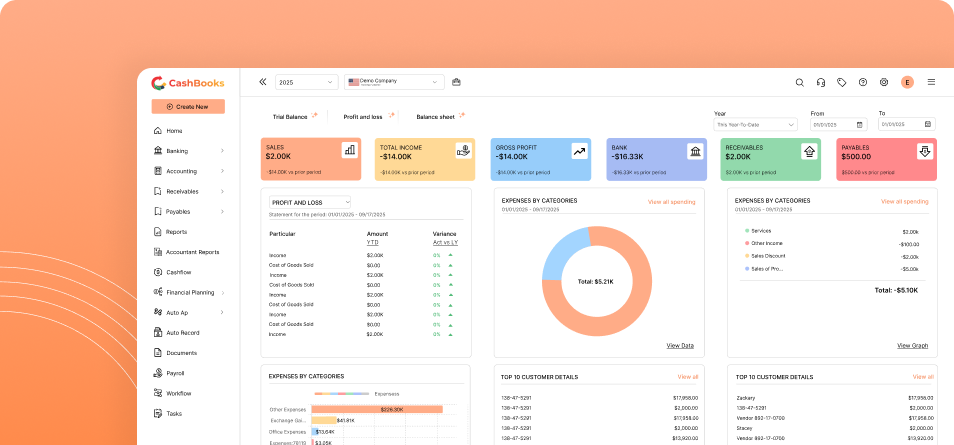
A well-designed dashboard allows accountants to review client activity without searching through multiple menus. The best multi-client bookkeeping software provides complete visibility from one screen.
Client Status Overview
Managers should quickly identify which clients are current, pending, or waiting for additional information.
A dashboard displaying real-time client status allows firms to prioritize work and avoid overlooked bookkeeping tasks.
Pending Task Monitoring
Bookkeeping projects often contain several ongoing activities. Task monitoring allows managers to view assignments, completed work, upcoming deadlines, and overdue items from one location, reducing unnecessary follow-up discussions.
Financial Snapshot
CPA firms frequently review balances, cash flow, receivables, and payables before client meetings. A financial summary displayed on the dashboard gives accountants immediate access to essential information without opening multiple reports.
Document Tracking
Bookkeeping cannot move forward without required documents. Modern multi-client bookkeeping software displays uploaded files, pending requests, and missing documents, allowing firms to identify outstanding items quickly.
Notification Center
Important updates should never remain hidden inside the system. Dashboard notifications alert users about completed reviews, pending approvals, client messages, and approaching reporting deadlines.
Custom Dashboard Views
Every accounting role requires different information. Managers may focus on workload summaries, while bookkeepers need daily assignments. Custom dashboard layouts allow each user to view information relevant to their responsibilities.
AI-Powered Capabilities That Enhance Multi-Client Bookkeeping Software
Artificial intelligence adds speed and accuracy to everyday bookkeeping without replacing professional judgment. AI-powered features in multi-client bookkeeping software reduce repetitive work and allow accountants to focus on financial review and client advisory services.
Smart Transaction Categorization
AI analyzes historical bookkeeping data and recommends suitable account categories for similar transactions. Accountants can review and approve suggestions before posting entries, reducing manual classification work.
Duplicate Transaction Detection
AI identifies duplicate transactions by comparing financial records and transaction history. Early detection reduces reconciliation issues and maintains accurate financial statements.
Data Entry Assistance
AI extracts key information from invoices, receipts, and bills to reduce manual data entry. Accountants verify the captured data before it is added to the accounting records.
Exception Identification
AI detects unusual transactions, unexpected balance changes, and financial patterns that require attention. These insights allow accountants to investigate potential issues more efficiently.
Smart Search Functions
AI-powered search quickly locates invoices, reports, transactions, and client records using simple keywords. This reduces time spent searching through multiple files and folders.
Learning From Previous Work
AI learns from approved bookkeeping patterns and user actions over time to deliver more accurate recommendations. Professional accountants remain responsible for reviewing and finalizing all financial decisions.
How Integration With Accounting Apps Simplifies Daily Workflows
CPA firms use multiple business applications to manage accounting operations. Multi-client bookkeeping software with built-in integrations reduces manual data entry, keeps information synchronized, and creates a more efficient bookkeeping process.
Bank Feed Integration
Direct bank feeds automatically import transactions into the software, reducing manual entry and speeding up bank reconciliations. Accountants always have access to updated financial data for accurate bookkeeping.
Payment Platform Connections
Integration with payment platforms imports sales and payment records automatically into multi-client bookkeeping software. This reduces duplicate data entry and keeps financial records accurate across all clients.
Document Management Integration
Invoices, receipts, contracts, and supporting documents remain linked with accounting records in one place. Easy document access simplifies financial reviews, audits, and client communication.
CRM And Client Management Systems
Connecting bookkeeping software with CRM systems keeps client information updated across multiple business applications. It reduces repeated data entry and creates a consistent client management process.
Reporting And Business Intelligence Tools
Integration with reporting tools converts bookkeeping data into financial dashboards and management reports. CPA firms can monitor business performance and provide clients with meaningful financial insights.
Cloud Accessibility
Cloud-based access allows authorized users to securely manage client data from any location with an internet connection. It also enables teams to collaborate efficiently while maintaining strong data security controls.
Common Mistakes CPA Firms Make When Choosing Bookkeeping Software
Selecting bookkeeping software affects daily operations, client service, and future business growth. Many firms focus only on immediate requirements and overlook features that become important as the client base grows.
Choosing Software Based Only on Price
Lower pricing may appear attractive during the buying process, but inexpensive software often lacks features required for managing multiple clients.
CPA firms should compare functionality, security, scalability, reporting, and automation instead of making price the only deciding factor.
Ignoring Automation Features
Many firms still perform recurring bookkeeping tasks manually. Without bookkeeping workflow automation, accountants spend more time creating tasks, sending reminders, and monitoring deadlines. Automation creates a more organized process while reducing repetitive administrative work.
Overlooking User Permissions
Financial information should remain available only to authorized users. Selecting multi-client bookkeeping software with role-based access protects sensitive client records while allowing teams to collaborate efficiently.
Not Evaluating Integration Options
Bookkeeping software rarely works alone. Ignoring integration capabilities may lead to repeated data entry across banking platforms, payment systems, document storage applications, and reporting tools. Connected applications reduce unnecessary manual work and maintain consistent financial records.
Selecting Software That Cannot Scale
Many CPA firms add new clients every year. Software designed only for small workloads may require replacement as the firm expands. Scalable multi-client bookkeeping software allows firms to grow without disrupting existing bookkeeping processes.
Skipping Product Demonstrations
Buying software without testing important features often leads to disappointment. Product demonstrations allow firms to evaluate dashboards, reporting, automation, security, and user experience before making a long-term investment.
Why CashBooks.io is a Smart Choice For CPA Firms
CPA firms need software that combines reliable bookkeeping features with AI-powered capabilities. CashBooks.io is built to simplify multi-client bookkeeping, automate routine work, and support firms as they grow.
Manage Multiple Clients Efficiently
CashBooks.io provides a centralized dashboard to manage client records, bookkeeping tasks, and financial reports from one platform. Accountants can switch between clients quickly without managing multiple systems.
AI Features For Everyday Bookkeeping
AI-powered features assist with transaction categorization, duplicate detection, data organization, and exception identification. Accountants review every recommendation before finalizing financial records.
Built-In Bookkeeping Workflow Automation
Built-in bookkeeping workflow automation manages recurring tasks, reminders, approvals, and client follow-ups automatically. This creates consistent workflows and keeps bookkeeping projects on schedule.
Designed For Growing CPA Firms
CashBooks.io scales as your client portfolio expands without adding unnecessary complexity. Secure access controls, cloud capabilities, and collaboration tools support firms of every size.
Easy Integration With Business Applications
CashBooks.io integrates with banking, payment, reporting, and business applications to reduce manual data entry. Connected systems keep financial information accurate and simplify everyday bookkeeping workflows.
Our Expert Perspective
Choosing the right multi-client bookkeeping software is about more than meeting current needs. CPA firms gain the most value from solutions that combine bookkeeping workflow automation, AI-powered features, centralized dashboards, and strong integrations, allowing accountants to reduce repetitive work while maintaining full control over financial decisions.
Software should also support long-term growth rather than solve only today's challenges. Evaluating scalability, security, ease of use, and integration capabilities before making a decision allows CPA firms to build efficient bookkeeping processes that continue to perform well as their client base expands.
Key Takeaways
- Select multi-client bookkeeping software that can manage current and future client growth.
- Choose software with strong bookkeeping workflow automation capabilities.
- Look for centralized client dashboards with real-time status updates.
- Prioritize role-based security and complete audit trails.
- AI features should assist accountants rather than replace professional review.
- Integration with banks, payment platforms, and reporting applications reduces manual work.
- Evaluate scalability before making a purchasing decision.
- Product demonstrations provide valuable insight before implementation.
- CashBooks.io combines AI capabilities with modern bookkeeping features designed for CPA firms.
FAQs
What Is Multi-Client Bookkeeping Software?
Multi-client bookkeeping software allows CPA firms to manage multiple client accounts from one platform.
Why Is Bookkeeping Workflow Automation Important?
Bookkeeping workflow automation reduces manual tasks, tracks deadlines, and keeps bookkeeping work organized.
What Features Should Multi-Client Bookkeeping Software Include?
Look for client dashboards, AI tools, workflow automation, reporting, user permissions, and app integrations.
Can Small CPA Firms Benefit From Multi-Client Bookkeeping Software?
Yes. It helps small CPA firms manage more clients efficiently while saving time and reducing manual work.
Why Should CPA Firms Choose CashBooks.io?
CashBooks.io combines AI-powered multi-client bookkeeping software with bookkeeping workflow automation to simplify client management and daily bookkeeping.