
August 12, 2026
In this article
- What You Will Learn From This Blog
- What is Write-Off Time in Bookkeeping and Why Does It Matter?
- Common Reasons Behind High Write-Off Time In Bookkeeping
- How To Reduce Write-Off Time In Bookkeeping With Better Processes
- How Do AI-Powered Tools Help Reduce Manual Bookkeeping Work?
- How Can Standardized Bookkeeping Workflows Accelerate Accounting Operations?
- What are the Best Practices For Maintaining an Efficient Bookkeeping Workflow?
- Why CashBooks.io is a Smart Choice For Reducing Bookkeeping Write-Off Time
- Our Expert Perspective
- Key Takeaways
- FAQs
How to reduce write-off time in bookkeeping has become an important concern for accounting teams, bookkeeping firms, and growing businesses. Write-off time occurs when accountants spend extra hours correcting errors, reviewing incomplete records, fixing transaction issues, or managing tasks that cannot be completed accurately. These lost hours can affect productivity, increase costs, and reduce time for important financial activities.
Many businesses struggle with high write-off time because of manual processes, unclear procedures, and repeated corrections. When financial data is incomplete or workflows are not organized, accounting teams spend more time reviewing records instead of focusing on business decisions.
Businesses looking at how to reduce write-off time in bookkeeping should improve daily processes, maintain accurate records, and create clear accounting workflows. Accounting workflow automation has become a useful solution for reducing manual work and improving bookkeeping efficiency.
By automating tasks such as transaction sorting, data entry, and account matching, businesses can reduce errors and complete accounting activities faster. A structured bookkeeping system combined with AI-powered tools allows accounting teams to maintain accuracy, reduce wasted hours, and improve overall financial management.
What You Will Learn From This Blog
- Reasons behind high write-off time in bookkeeping
- Ways to reduce repeated bookkeeping corrections
- Role of accounting workflow automation in accounting tasks
- How AI tools reduce manual bookkeeping work
- Best practices for efficient bookkeeping workflows
- How CashBooks.io supports modern accounting teams
What is Write-Off Time in Bookkeeping and Why Does It Matter?
Understanding how to reduce write-off time in bookkeeping helps businesses identify the causes behind lost working hours and improve overall accounting efficiency. These hours reduce the productivity and value created by bookkeeping teams.
For example, time spent correcting incorrect transaction entries caused by missing details becomes difficult to recover, making it important to track and reduce write-off time for better resource management.
High write-off time can reduce profit margins, increase workload pressure, and delay financial reporting activities for accounting firms and businesses. When companies do not monitor write-off time, repeated errors can continue due to weak processes and poor workflow management. Bookkeeping accuracy plays an important role in controlling write-off time because incorrect categorization, duplicate records, and incomplete details often create additional review work.
A strong bookkeeping system focuses on accurate records, clear processes, and proper transaction management from the beginning. These improvements are essential for businesses looking at how to reduce write-off time in bookkeeping while maintaining accurate records and improving team productivity.
Common Reasons Behind High Write-Off Time In Bookkeeping
Manual Data Entry Errors
Manual data entry errors are a common reason behind increased write-off time in bookkeeping. Incorrect amounts, wrong categories, and missing details often require extra time for review and correction.
Businesses focusing on how to reduce write-off time in bookkeeping should identify repeated manual entry issues and improve their data management process.
Poor Transaction Management
Poor transaction management can delay reconciliation and reporting activities. Missing receipts, invoices, and payment records often increase the time required to complete bookkeeping tasks.
A clear transaction process allows accounting teams to access records faster and reduce unnecessary delays.
Lack Of Standard Processes
Lack of standard processes can increase write-off time when team members follow different bookkeeping methods. Inconsistent workflows may create errors and reduce record accuracy.
Creating fixed procedures ensures consistent task completion and makes bookkeeping processes easier to manage.
Delayed Account Reviews
Delayed account reviews can increase correction work because small errors may become bigger issues over time. Late detection of mistakes can affect reporting and financial accuracy.
Regular account checks help identify problems early and reduce the time spent fixing old records.
Incomplete Financial Information
Incomplete financial information increases write-off time as accountants spend extra hours collecting missing details. Missing invoices, unclear transactions, and unavailable records can delay bookkeeping activities.
Organized financial data helps teams reduce delays and complete accounting tasks with better accuracy.
How To Reduce Write-Off Time In Bookkeeping With Better Processes
Create Clear Bookkeeping Procedures
Clear bookkeeping procedures define how transactions are recorded, reviewed, categorized, and approved. Businesses focusing on how to reduce write-off time in bookkeeping should create documented processes to reduce confusion and errors.
Improve Transaction Review Methods
Regular transaction reviews help identify incorrect entries, missing details, and classification errors early. Early detection reduces correction time and improves the accuracy of financial records.
Reduce Repetitive Accounting Tasks
Repetitive accounting tasks such as manual sorting and data checking consume valuable hours. Accounting workflow automation reduces repeated actions and allows teams to manage tasks more efficiently.
Maintain Complete Financial Records
Complete financial records reduce delays caused by missing invoices, receipts, and payment details. Organized data allows accountants to spend less time correcting incomplete entries.
Set Up Regular Workflow Monitoring
Regular workflow monitoring helps identify process gaps that increase write-off time in bookkeeping. Reviewing tasks and errors allows teams to improve daily accounting activities.
Improve Team Communication
Clear communication between accounting teams reduces delays caused by missing information and approval issues. Better coordination also supports businesses that want to understand how to reduce write-off time in bookkeeping by improving collaboration and reducing unnecessary rework.
Use Accounting Technology Solutions
Accounting technology solutions simplify routine tasks and reduce manual bookkeeping efforts. Businesses can use automation tools to improve workflows and reduce correction time.
How Do AI-Powered Tools Help Reduce Manual Bookkeeping Work?
Automating Data Classification
AI-powered bookkeeping tools analyze financial data and classify transactions based on records and accounting rules. These tools reduce manual reviews and support businesses focusing on how to reduce write-off time in bookkeeping.
Reducing Repetitive Manual Tasks
AI tools manage repetitive activities such as sorting expenses, matching payments, and checking entries. Automation allows accounting teams to focus on complex reviews and important financial tasks.
Identifying Errors Before Final Review
AI-powered systems detect unusual transactions, duplicate entries, and missing details before approval. Early error detection reduces correction work and unnecessary write-off hours.
Improving Transaction Matching
AI tools compare transactions, identify possible matches, and reduce manual checking time. Combined with accounting workflow automation, they create more accurate bookkeeping processes.
Enhancing Financial Data Analysis
AI-powered tools analyze financial information and provide better visibility into transaction patterns. Better data insights allow businesses to identify workflow gaps and improve strategies for how to reduce write-off time in bookkeeping.
Improving Bookkeeping Decision Making
AI solutions provide organized financial data that supports faster accounting decisions. Businesses can maintain accurate records and create efficient workflows with reduced manual effort.
How Can Standardized Bookkeeping Workflows Accelerate Accounting Operations?
Creating Consistent Accounting Methods
Standardized workflows ensure every accounting task follows the same process for recording, reviewing, and reconciling transactions. Consistent methods reduce confusion and improve bookkeeping accuracy.
Reducing Rework During Bookkeeping
Rework increases write-off time when accounting tasks require repeated corrections and reviews. Businesses focusing on how to reduce write-off time in bookkeeping should create workflows that prevent common mistakes.
Improving Team Collaboration
Clear workflows define team responsibilities for completing, reviewing, and approving accounting tasks. Better coordination reduces delays and supports timely bookkeeping operations.
Supporting Better Accounting Control
Standardized processes create better control over financial activities and help identify workflow gaps. A structured bookkeeping system reduces unnecessary accounting efforts.
Simplifying Employee Training
Standardized workflows make it easier for new team members to understand bookkeeping procedures. Clear instructions reduce errors and improve task completion quality.
What are the Best Practices For Maintaining an Efficient Bookkeeping Workflow?
Review Processes Regularly
Regular process reviews help identify delays and repeated errors in bookkeeping activities. Updating workflows based on business needs creates better accounting efficiency.
Maintain Updated Financial Records
Updated financial records allow accountants to access invoices, receipts, and transaction details quickly. Accurate data reduces review time and improves financial visibility.
Train Accounting Team Members
Well-trained accounting teams can better follow standardized processes, which supports businesses looking for effective ways how to reduce write-off time in bookkeeping through fewer mistakes and less rework.
Use Reliable Accounting Technology
Reliable accounting technology reduces manual efforts and supports better bookkeeping management. Accounting workflow automation creates organized processes and improves daily accounting activities.
Monitor Key Accounting Activities
Tracking bookkeeping performance regularly helps businesses evaluate how to reduce write-off time in bookkeeping by finding bottlenecks and improving processes before delays impact financial reporting.
Why CashBooks.io is a Smart Choice For Reducing Bookkeeping Write-Off Time
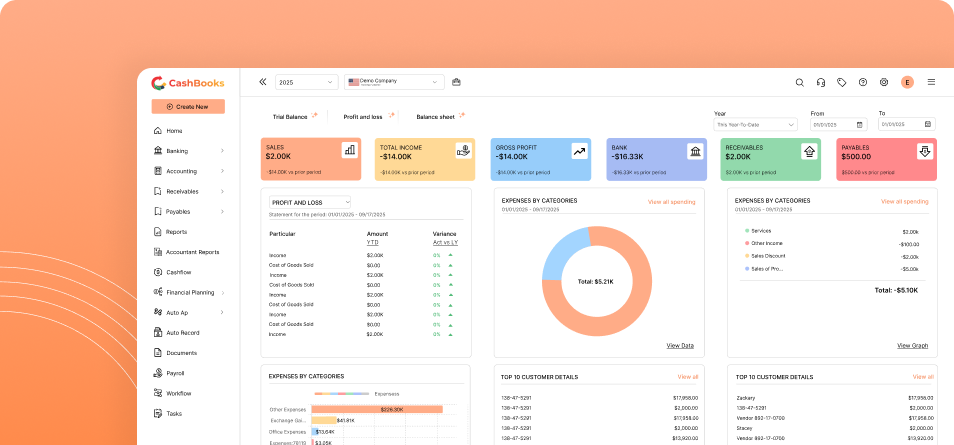
CashBooks.io is designed for businesses and accounting teams that need better control over bookkeeping activities. The platform combines accounting features with AI-powered capabilities to reduce manual work and create organized financial workflows.
Unlike traditional accounting systems, CashBooks.io provides automation features that support faster transaction handling, financial organization, and accurate reporting activities.
AI-Based Bookkeeping Automation
CashBooks.io uses AI features to reduce repetitive bookkeeping tasks and organize financial data. Businesses focusing on how to reduce write-off time in bookkeeping can reduce manual corrections with AI-driven processes.
Better Transaction Management
CashBooks.io helps businesses manage financial transactions with better organization and accuracy. A structured transaction process reduces missing details and repeated review efforts.
Simplified Accounting Workflows
CashBooks.io creates organized accounting workflows that allow teams to complete tasks in a clear sequence. Accounting workflow automation features reduce repetitive actions and improve process efficiency.
Improved Accounting Efficiency
CashBooks.io reduces manual bookkeeping efforts and allows teams to focus on important financial activities. The platform supports businesses that want to learn how to reduce write-off time in bookkeeping by improving record accuracy and reducing unnecessary correction cycles.
Smarter Financial Reporting
CashBooks.io helps businesses manage financial information and create better reporting processes. Organized data allows accounting teams to access insights faster and make informed decisions.
Our Expert Perspective
Based on our experience with modern accounting processes, high write-off time often results from workflow gaps such as missing transaction details, unclear approvals, and repeated manual checks. Businesses focusing on how to reduce write-off time in bookkeeping should identify these issues and improve processes with suitable technology.
Automation does not replace accounting expertise; it provides better tools for accountants to complete tasks with higher accuracy and less repeated effort. A balanced approach using skilled professionals, structured workflows, and AI-based solutions creates stronger bookkeeping operations.
Key Takeaways
- Understanding how to reduce write-off time in bookkeeping helps businesses identify process gaps, minimize errors, and improve overall accounting efficiency.
- Clear procedures reduce unnecessary corrections and improve accounting accuracy.
- Accounting workflow automation reduces repetitive tasks and creates organized bookkeeping operations.
- AI-powered tools support faster transaction management and error detection.
- Standardized workflows create better control over accounting activities.
- CashBooks.io combines accounting features with AI automation to reduce bookkeeping challenges.
FAQs
How To Reduce Write-Off Time In Bookkeeping?
Reduce write-off time by using clear processes, accurate records, automation tools, and regular bookkeeping reviews.
Why Is Write-Off Time High In Bookkeeping?
Write-off time becomes high due to manual data entry errors, missing information, poor workflows, and repeated corrections.
How Does Accounting Workflow Automation Reduce Bookkeeping Time?
Accounting workflow automation reduces manual tasks by automating transaction handling, approvals, and routine bookkeeping activities.
Can AI Tools Reduce Manual Bookkeeping Work?
Yes, AI tools reduce manual bookkeeping work by organizing transactions, identifying errors, and improving data accuracy.
What Are The Best Ways To Improve Bookkeeping Efficiency?
The best ways include creating standard workflows, using accounting software, reducing manual tasks, and maintaining updated records.