August 12, 2026
In this article
- What You Will Learn From This Blog
- Why Businesses Need Automated Bookkeeping
- How to Automate Bookkeeping For Clients Using AI Technology
- Essential Features to Look For in Bookkeeping Automation Software
- Step-By-Step Process To Automate Bookkeeping For Clients
- Common Challenges in Bookkeeping Automation and How To Solve Them
- Best Practices For Successful Bookkeeping Automation
- How to Choose the Right AI Accounting Software For Bookkeeping Automation
- Why CashBooks.io Is The Smart Choice For Bookkeeping Automation
- Our Expert Perspective
- Key Takeaways
- FAQs
Learning how to automate bookkeeping for clients has become an important step for accounting firms, bookkeepers, and businesses that manage financial records for multiple clients. Manual bookkeeping often takes several hours each week and increases the chance of data entry mistakes, delayed reports, and missed transactions.
AI-powered accounting tools now make routine bookkeeping tasks faster and more consistent, allowing accountants to spend more time reviewing financial information and advising clients.
Modern bookkeeping automation software connects with bank accounts, payment platforms, invoicing systems, and accounting applications to record transactions with limited manual work. Many businesses already use automation to process invoices, match bank transactions, generate reports, and monitor cash flow.
Understanding how to automate bookkeeping for clients is not only about selecting software. It also requires planning workflows, setting approval rules, checking data accuracy, and choosing AI tools that fit business needs.
What You Will Learn From This Blog
- Why Businesses are Adopting Automated Bookkeeping.
- How to automate bookkeeping for clients using AI tools.
- Features every bookkeeping automation platform should provide.
- Steps for building an automated bookkeeping workflow.
- Common automation challenges and practical solutions.
- Best practices for maintaining accurate financial records.
- Tips for selecting AI accounting software for your business.
- Why many businesses are choosing CashBooks.io for AI bookkeeping.
Why Businesses Need Automated Bookkeeping
Businesses process hundreds or even thousands of financial transactions every month. As transaction volumes increase, bookkeeping automation reduces repetitive work and creates a more organized accounting process.
Save Time on Daily Bookkeeping
Learning how to automate bookkeeping for clients helps reduce the time spent manually entering invoices, expenses, receipts, and bank transactions. Automation records and categorizes transactions faster, allowing accounting teams to complete work more efficiently.
Reduce Manual Errors
Typing mistakes, duplicate entries, and incorrect account classifications can affect financial records. Automated rules apply consistent processing and reduce common bookkeeping errors.
Process Transactions Faster
Businesses receive payments and financial transactions from multiple sources every day. AI software imports, matches, and records transactions automatically, reducing processing time.
Improve Financial Visibility
A key benefit of learning how to automate bookkeeping for clients is maintaining real-time bookkeeping that keeps financial reports updated throughout the accounting period. Businesses can review current financial data to make informed decisions and monitor cash flow.
Create Consistent Client Workflows
Accounting firms managing multiple clients need standardized bookkeeping processes. Automated workflows help apply consistent procedures while maintaining separate and accurate financial records for every client.
Prepare Businesses For Growth
As businesses expand, transaction volume increases significantly. Learning how to automate bookkeeping for clients allows firms to manage more clients without increasing manual bookkeeping work at the same pace.
How to Automate Bookkeeping For Clients Using AI Technology
Understanding how to automate bookkeeping for clients starts with identifying repetitive bookkeeping activities. AI accounting software can automate many daily accounting processes while keeping accountants involved in reviewing exceptions and approving important financial records.
Identify Repetitive Bookkeeping Tasks
Review daily activities such as transaction entry, invoice recording, expense categorization, bank reconciliation, and report generation. These repetitive tasks are ideal for automation because they follow consistent workflows.
Connect Financial Data Sources
If you want to understand how to automate bookkeeping for clients, start by connecting bank accounts, payment gateways, invoicing platforms, POS systems, and expense management tools. A connected system keeps financial records updated automatically and reduces manual data entry.
Configure Smart Transaction Rules
Create rules that automatically categorize recurring income, expenses, taxes, and supplier payments. Smart rules reduce manual work while keeping accounting records accurate and consistent.
Automate Bank Reconciliation
AI software matches bank transactions with accounting records using transaction amounts, dates, and payment details. Automatic reconciliation reduces month-end work and allows accountants to review only unmatched entries.
Use AI To Process Bills And Receipts
OCR and AI technology extract information from invoices, bills, and receipts without manual data entry. Accountants can review captured information before approval to maintain data accuracy.
Monitor Automated Workflows Regularly
Review dashboards, exception reports, and automation rules regularly to ensure accurate bookkeeping results. Ongoing monitoring keeps automated workflows aligned with changing business and accounting requirements.
Essential Features to Look For in Bookkeeping Automation Software
Knowing how to automate bookkeeping for clients begins with selecting software that matches your accounting workflow and business needs. The right platform should automate routine bookkeeping tasks while providing strong reporting, approval controls, and accurate financial management through bookkeeping automation.
AI-Based Transaction Categorization
AI identifies recurring income and expense transactions based on previous records and predefined rules. It categorizes entries automatically while allowing accountants to review and approve suggestions.
Automatic Bank Reconciliation
The software should match bank transactions with accounting records using transaction amounts, dates, and payment details. Automatic reconciliation saves time and makes month-end closing more efficient.
Invoice and Receipt Capture
Businesses exploring how to automate bookkeeping for clients can use OCR technology to extract information from invoices and receipts without manual data entry. Digital document storage keeps financial records organized and easy to retrieve when needed.
Workflow and Approval Controls
Approval workflows ensure transactions are reviewed before they are posted to the accounting system. This feature maintains control over financial records across multiple client accounts.
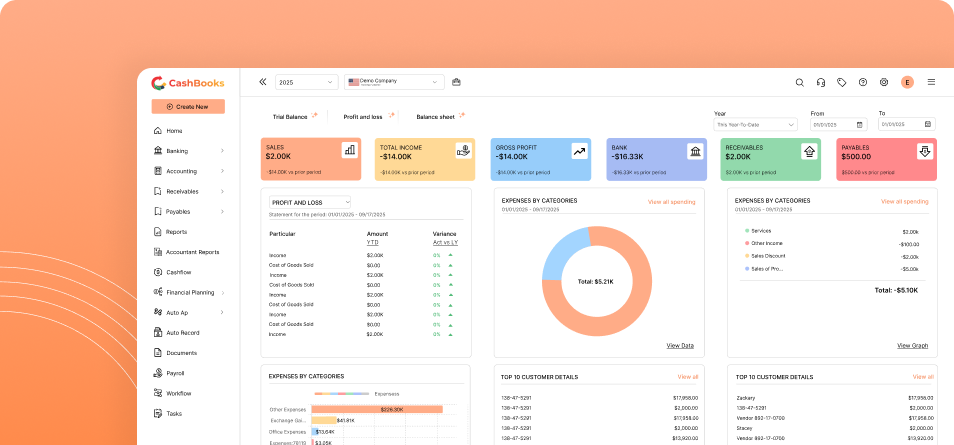
Financial Reporting Dashboard
Real-time dashboards display profit and loss statements, balance sheets, cash flow reports, and other financial data. Current reports allow accountants to monitor business performance and identify unusual transactions quickly.
Step-By-Step Process To Automate Bookkeeping For Clients
Businesses often ask how to automate bookkeeping for clients without disrupting existing accounting processes. A structured implementation plan makes automation easier while reducing operational risks.
Review Existing Bookkeeping Workflows
Document every bookkeeping activity, including transaction entry, invoicing, expense tracking, bank reconciliation, and reporting. This review identifies repetitive tasks that are suitable for automation.
Select Suitable AI Accounting Software
When learning how to automate bookkeeping for clients, choosing AI accounting software that fits your business size, reporting needs, transaction volume, and integration requirements is the first step.
Import Historical Financial Data
Import previous financial records before enabling automation so the software can recognize accounting patterns. Validate imported data to ensure accurate transaction processing from the beginning.
Build Automation Rules
Set rules for recurring income, expenses, supplier invoices, customer payments, and tax categories. Well-defined rules reduce manual work and maintain consistent bookkeeping records.
Test Before Full Deployment
Run the automated workflow alongside your current bookkeeping process for a short period. Compare the results to identify issues and make adjustments before full implementation.
Monitor And Refine Automation
Review reports, transaction rules, and exception alerts regularly to maintain accurate financial records. Continuous monitoring keeps automated accounting workflows aligned with changing business needs.
Common Challenges in Bookkeeping Automation and How To Solve Them
Businesses exploring how to automate bookkeeping for clients should also understand the challenges that may arise during implementation. Addressing these issues early allows bookkeeping automation to deliver accurate financial records and consistent accounting workflows.
Poor Data Quality
Duplicate transactions, incomplete records, and incorrect account details can affect automation accuracy. Clean and organize financial data before implementation to achieve reliable bookkeeping results.
Incorrect Transaction Classification
AI may occasionally assign transactions to the wrong account, especially during the initial learning period. Regular reviews and updated transaction rules improve classification accuracy over time.
Limited Software Integration
Using accounting software that cannot connect with other business applications creates additional manual work. Choose a platform with broad integration capabilities to keep financial data synchronized.
Staff Adjustment
Employees may need time to become familiar with new automated bookkeeping processes and software. Provide training, clear documentation, and ongoing support to encourage smooth adoption.
Compliance Requirements
Accounting and tax regulations vary across industries and business locations. Review automated processes regularly to ensure financial records comply with current accounting standards.
Over-Reliance On Automation
AI can automate routine bookkeeping tasks, but it should not replace professional review. Accountants should continue checking reports, reconciliations, and unusual transactions to maintain financial accuracy.
Best Practices For Successful Bookkeeping Automation
Organizations that understand how to automate bookkeeping for clients successfully usually follow consistent accounting procedures instead of depending entirely on software. These best practices increase accuracy and long-term efficiency.
Standardize Bookkeeping Procedures
Create documented processes for transaction entry, approvals, bank reconciliation, and financial reporting. Standard procedures keep bookkeeping consistent across all client accounts.
Review Financial Reports Frequently
Review financial reports regularly to identify unusual balances, missing transactions, or unexpected expenses. Early reviews allow accounting issues to be corrected before reporting periods end.
Keep Automation Rules Updated
Update automation rules whenever vendors, payment methods, products, or accounting policies change. Current rules keep transactions categorized correctly and improve the accuracy of automated bookkeeping processes.
Maintain Strong Internal Controls
Separate transaction processing from approval responsibilities to strengthen financial controls. Role-based access reduces unauthorized changes and increases accountability.
Train Accounting Teams
Train employees to use automation features, reporting tools, and exception-handling procedures effectively. Well-trained teams make better use of AI accounting software and reduce processing errors.
Schedule Periodic System Reviews
Businesses that understand how to automate bookkeeping for clients review software performance, integrations, workflows, and reporting accuracy on a regular schedule. Regular system evaluations keep bookkeeping automation aligned with business needs and client expectations.
How to Choose the Right AI Accounting Software For Bookkeeping Automation
Selecting the right software is one of the most important decisions when learning how to automate bookkeeping for clients. Every business has different accounting needs, transaction volumes, and reporting requirements. The right solution should automate routine work while giving accountants full visibility and control.
Evaluate Automation Capabilities
Review whether the software can automate transaction categorization, bank reconciliation, invoice processing, recurring entries, and financial reporting. Strong AI capabilities reduce manual work while allowing accountants to review important financial activities.
Check Integration Options
Choose software that connects with banks, payment gateways, CRM platforms, payroll systems, eCommerce platforms, and invoicing applications. Better integrations create a smooth flow of financial data and reduce duplicate entries.
Review Security Standards
Select software that offers encrypted data storage, multi-factor authentication, role-based access, and activity tracking. Strong security measures protect client information and support accounting compliance.
Consider Scalability
Select software that can manage increasing transaction volumes, additional users, and more client accounts. Scalable solutions allow businesses to expand without replacing their accounting system.
Compare Reporting Features
Review dashboard options, financial reports, custom reporting tools, and data export capabilities before making a decision. Real-time reporting gives accountants and business owners timely financial insights.
Why CashBooks.io Is The Smart Choice For Bookkeeping Automation
After understanding how to automate bookkeeping for clients, the next step is choosing software that can put those strategies into practice. CashBooks.io combines AI-powered accounting with intelligent bookkeeping automation, allowing businesses and accounting firms to automate routine tasks while maintaining complete control over their financial records.
AI-Powered Bookkeeping Workflows
CashBooks.io automates transaction categorization, bank reconciliation, invoice management, and financial reporting. This reduces repetitive work and allows accountants to focus on reviewing financial records and serving clients.
Built For Growing Businesses
CashBooks.io is designed to support businesses as transaction volumes and client portfolios grow. Its scalable features allow accounting firms to manage more work without increasing manual effort.
Real-Time Financial Reporting
Generate up-to-date financial reports that provide clear visibility into income, expenses, cash flow, and profitability. Real-time insights allow businesses to make informed financial decisions with confidence.
Easy-To-Use Interface
The platform offers simple navigation and organized workflows for accountants, bookkeepers, and business owners. Users can complete everyday bookkeeping tasks quickly with minimal training.
Secure Financial Data
CashBooks.io protects financial information with encrypted storage, role-based access, and secure user authentication. These security features keep client data protected while supporting compliance requirements.
Built To Support Modern Accounting
CashBooks.io combines AI, automation, reporting, and collaboration tools in one accounting platform. It provides businesses with a practical solution for how to automate bookkeeping for clients while maintaining accuracy and control.
Our Expert Perspective
Automation should simplify bookkeeping, not replace professional accounting judgment.
Our experience shows that businesses achieve the best results when AI manages repetitive bookkeeping tasks while accountants review exceptions, verify reports, and provide financial guidance. This balance creates accurate financial records and builds confidence in business decisions.
When evaluating how to automate bookkeeping for clients, businesses should compare automation features, security, reporting, integrations, and ease of use rather than focusing only on AI capabilities. A well-planned implementation delivers better long-term value than simply purchasing new software.
Key Takeaways
- Learn how to automate bookkeeping for clients by identifying repetitive accounting tasks first.
- Choose software with AI, bank reconciliation, reporting, and integration features.
- Create automation rules before moving to live bookkeeping.
- Review automated transactions regularly to maintain financial accuracy.
- Keep accountants involved in approvals and exception handling.
- Update automation rules as business activities change.
- Use bookkeeping automation to reduce manual work and improve consistency.
- CashBooks.io combines AI-powered accounting features with practical bookkeeping tools for modern businesses.
FAQs
What Is The Best Way To Learn How To Automate Bookkeeping For Clients?
Start by identifying repetitive bookkeeping tasks, choose AI accounting software, connect financial data sources, and review automated transactions regularly to maintain accuracy.
Can Bookkeeping Automation Replace A Bookkeeper?
No. Bookkeeping automation manages routine tasks, but accountants are still needed to review financial records, handle complex transactions, and ensure compliance.
Which Tasks Can AI Automate In Bookkeeping?
AI can categorize transactions, reconcile bank accounts, process invoices, capture receipts, generate reports, and identify unusual financial activity.
Is Bookkeeping Automation Suitable For Small Businesses?
Yes. Small businesses can reduce manual bookkeeping work, keep financial records organized, and access current reports without increasing administrative effort.
Why Should Businesses Choose CashBooks.io For Bookkeeping Automation?
CashBooks.io combines AI-powered accounting, automated bookkeeping workflows, real-time reporting, secure financial management, and an easy-to-use interface, making it a practical choice for businesses and accounting firms.