
September 22, 2026
In this article
- What You Will Learn From This Blog
- What Is Expense Tracking Software for Small Business?
- How Expense Tracking Software Simplifies Expense Management
- Key Features to Look for in Expense Tracking Software
- Expense Tracking Software vs. Manual Expense Tracking
- Common Expense Tracking Mistakes Small Businesses Should Avoid
- CashBooks: Connecting Expense Tracking With Automated Bookkeeping
- Our Expert Insight
- Key Takeaways
- FAQs
Small business expenses rarely come in neat batches. A software bill, client lunch, supply order, and card charge can all hit different accounts in the same week. Without a clear way to track them, small costs can pile up and make it harder to see where the money is going. Expense tracking software for small business helps bring those costs into one place.
Instead of entering every transaction by hand, businesses can use software to pull in bank activity, organize expenses, and keep records up to date. It can also flag unusual or duplicate charges for review, so routine work takes less time while important entries still get a closer look.
The result is a cleaner expense process that supports better bookkeeping. Owners can spend less time sorting transactions and more time understanding how the business is spending its money.
What You Will Learn From This Blog
This guide explains:
- What expense tracking software does for a small business
- How software can cut down on manual work
- Which features matter when picking a tool
- The key gaps between software and manual tracking
- Common expense tracking errors to avoid
- How expense tracking can fit into an automated bookkeeping software workflow
What Is Expense Tracking Software for Small Business?
Expense tracking software for small business is a tool that helps record and manage costs tied to business use. It can bring expense data into one place instead of making an owner track each item by hand.
Depending on the tool, it may connect to bank and card accounts, bring in new charges, sort them into account types, and keep a record of each entry. Some tools also let users save bills, receipts, notes, and other proof tied to a cost.
For example, a $250 charge from an office store may be brought in from a bank feed. The system can suggest an office expense account based on past entries and rules. The user can then check the charge and approve or change the result.
This process is useful because expense data often needs more than simple entry. The cost must be tied to the right account, checked for errors, and kept with enough detail to support the books.
How Expense Tracking Software Simplifies Expense Management
The main goal of expense tracking software for small business is to make the full expense process easier to manage.
1. It Brings Expense Data Into One Place
Business owners may pay for goods with bank cards, credit cards, online tools, and other accounts. Checking each source by hand can take time.
Expense tools can bring much of this data into one view. This gives the owner a clear list of recent costs and makes it easier to review spending.
2. It Cuts Down on Data Entry
Manual entry means typing dates, amounts, names, and account types for many charges. Each extra field creates another chance for an error.
Software can bring in much of this data from linked accounts. This does not remove the need for review, but it can cut down on repeat work.
3. It Helps Sort Expenses
A cost needs the right account in the books. Rent, meals, software, travel, supplies, and other costs may all need different accounts.
Modern tools can use past choices, account rules, and business activity to suggest where a new cost belongs. The user can check the suggestion before it becomes part of the books.
4. It Makes Review Easier
Not every charge should be accepted without a check. A new vendor, large charge, odd amount, or unclear payment may need a closer look.
Good software can flag items that need review. This helps the owner focus on entries that need human judgment instead of checking every item in the same way.
5. It Supports Timely Records
When costs are added soon after they happen, the books are less likely to fall behind. This helps owners keep a better view of current spending.
It can also make month-end work easier. Fewer old entries are left to find, sort, and check at the end of the month.
Key Features to Look for in Expense Tracking Software
When comparing expense tracking software for small business, focus on how the tool handles the full workflow, not just how it stores expense data.
Bank and Card Feeds
Bank feeds can bring new activity into the books without the need to type each charge. This is one of the most useful features for firms with many monthly transactions.
Automatic Expense Categorization
The tool should be able to suggest account types based on past use, rules, and other data. Users should still be able to review and change these choices.
Receipt and Record Support
Receipts and other source records help show why a cost was made. A tool that keeps these records tied to the related entry can make later checks much easier.
Review Tools
Look for checks that can flag duplicate entries, unusual costs, missing data, or other items that may need attention. Review tools add an important layer between automation and the final books.
Reconciliation Support
Expense records should line up with bank activity. Suggested matches can help users compare what the bank shows with what is in the books.
Reports
The system should make it easy to see total spending and review costs by account or time range. Clear reports can also help a bookkeeper review the books.
Expense Tracking Software vs. Manual Expense Tracking
Manual tracking gives the owner direct control over each entry. It can work for a very small firm with few costs and simple records.
The issue is scale. As the number of charges grows, manual work takes more time. The owner must enter data, choose accounts, check totals, find missing records, and fix errors.
Expense tracking software for small business can handle much of the repeat work. Bank feeds can bring in activity, while rules and past choices can help sort entries. Review tools can then bring attention to items that need a closer look.
This does not mean software should make every choice on its own. A useful system should reduce routine work while keeping the owner or bookkeeper in control of key decisions.
For firms with outside bookkeepers, this can also make the handoff easier. The bookkeeper can work from a more complete set of records instead of asking for each receipt or charge at month-end.
Common Expense Tracking Mistakes Small Businesses Should Avoid
Even the best tools cannot fix poor expense habits. Small businesses should watch for these common issues.
Mixing Personal and Business Costs
Personal charges should not be treated as business costs. Keep business and personal accounts apart when possible. This makes review and record keeping much easier.
Using the Wrong Expense Account
A charge may look clear at first but still need the right account. Do not rely only on the name of the vendor. Check what the business bought and why it was used.
Skipping Receipt Records
A bank entry shows that money moved. It may not show why the cost was made. Keep the receipt, bill, or other source record when needed.
Accepting Every Software Suggestion
Automation can make a useful suggestion, but it can still be wrong. New or odd costs should be checked before they are added to the final books.
Waiting Too Long to Review
Leaving expense checks until the end of the year makes errors harder to find. A regular review helps catch issues while the details are still easy to recall.
CashBooks: Connecting Expense Tracking With Automated Bookkeeping
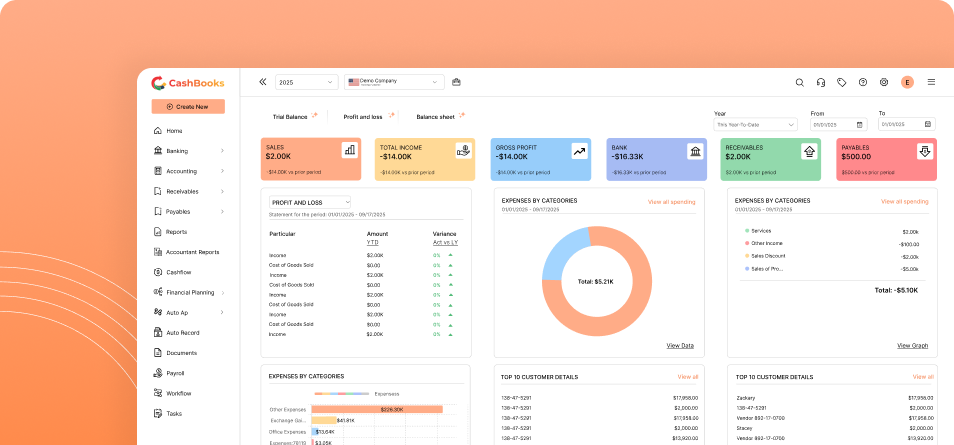
In small business bookkeeping, the issue is often not a lack of expense data. It is the amount of cleanup that comes after it. Transactions need to be recorded, sorted, checked, and matched before the books are ready to review. That is why CashBooks is built as automated bookkeeping software that handles routine work while keeping review in the process.
| What Businesses Need | How CashBooks Handles It |
|---|---|
| Bring in current transactions | Bank Feeds pull business activity into the books. |
| Record routine activity | Auto Record reduces manual entry. |
| Put expenses in the right accounts | Automated categorization uses past choices and account rules. |
| Find entries that need attention | Review Engine flags unusual, duplicate, or missing items. |
| Check records against the bank | Suggested reconciliation matches help compare transactions. |
| Prepare records for an accountant | Accountant Reports provide clear financial reports for review. |
This approach comes from a simple bookkeeping lesson: automation works best when it handles repeat tasks and leaves room for human judgment. CashBooks helps small businesses spend less time cleaning up expense records and more time reviewing the numbers that matter.
Our Expert Insight
In our experience, the value of expense tracking is not just having every transaction recorded. It is being able to understand the numbers when you review them later.
Look at changes in major expense areas from month to month. A sudden increase may point to a one-time purchase, a pricing change, a new recurring charge, or a coding error. Reviewing these changes can help catch issues before they affect cash flow or financial reports.
Expense tracking should make these patterns easier to spot. The goal is not simply cleaner records, but records that help owners make better day-to-day decisions.
Key Takeaways
- Expense tracking software for small business can bring bank and card activity into one place.
- Automation can reduce manual data entry and help sort common expenses.
- Expense categories should still be checked before records are finalized.
- Receipts and source records help support the reason for each cost.
- Regular review can catch duplicate, missing, or unusual transactions.
- Bank reconciliation helps confirm that expense records match financial activity.
- Automated bookkeeping software works best when it reduces routine work while keeping human review in the process.
- A connected expense and bookkeeping process can make month-end work easier.
FAQs
1. What is the best way to track small business expenses?
Use a system that records expenses consistently and keeps receipts or other source records with them. Review the records regularly rather than waiting until year-end.
2. How often should a small business track expenses?
Expenses should be recorded as they occur and reviewed at least monthly. Businesses with high transaction volume may benefit from more frequent reviews.
3. What expenses should a small business track?
Track costs related to running the business, such as rent, supplies, software, travel, advertising, utilities, and professional services. Personal expenses should be kept separate.
4. How do I know if my expense records are accurate?
Compare recorded expenses with bank and credit card statements. Check large or unusual charges and make sure each expense has the right account and supporting record.
5. Can expense tracking help with cash flow management?
Yes. Up-to-date expense records show where cash is going and can help you spot rising costs, recurring charges, and changes in monthly spending.