
August 5, 2026
In this article
- What You Will Learn From This Blog
- What Is AI Transaction Categorization?
- How Does AI Transaction Categorization Work?
- Technologies Behind AI Transaction Categorization
- Step-by-Step Process of AI Transaction Categorization
- Key Benefits of Automated Transaction Categorization for Businesses
- AI Transaction Categorization vs Manual Bookkeeping
- Simplify Bookkeeping with CashBooks.io
- Our Expert Insight
- Key Takeaways
- FAQs
Each day, a business pays bills, gets paid, buys goods, and pays staff. Every bank entry must go in the right account. If it does not, the books can be wrong. Incorrect data can lead to poor reports, tax issues, and weak business plans. That is why many firms have a question: How does AI transaction categorization work? In the past, staff had to sort each bank entry manually. That took time and led to errors. Now, AI can read bank data, spot a match, and sort each entry in just a few seconds.
AI learns from past data, finds repeat costs, and gets better with use. This blog shows how does AI transaction categorization work and why firms now use AI to keep their books up to date.
What You Will Learn From This Blog
This guide will show you:
- What AI transaction categorization is.
- How does AI transaction categorization work?
- The main AI tools used to sort bank data.
- The steps in automated transaction categorization.
- How AI helps save time and reduce errors.
- AI vs manual bookkeeping.
- How CashBooks.io helps keep books in good shape.
What Is AI Transaction Categorization?
AI transaction categorization is the use of AI to sort bank and card entries into the right book group. This reduces manual work and helps keep the books right.
With automated transaction categorization, AI checks key data such as:
- Payee name
- Bank note
- Date
- Amount
- Past bank records
- Repeat bills
- User rules
The AI then picks the best book group based on past data.
For example, if your firm pays the same for the same cloud tool each month, AI learns that it is a software cost. The next time the bill comes in, it can place it in the same category with little help.
When firms ask how does AI transaction categorization work, the key point is that AI keeps learning. It does not just match words. It learns from past work, spots new trends, and makes better picks as more bank entries come in. That is why automated transaction categorization is now a key part of smart bookkeeping.
How Does AI Transaction Categorization Work?
To learn how does AI transaction categorization work, start with a new bank entry.
The AI gets data from your bank, card, or file. It reads the payee name, date, amount, bank note, and type of pay.
Next, it checks past bookkeeping data. It looks for the same payee, bank entry, or a repeat bill.
For example:
- Rent goes to Rent Cost.
- Web apps go to Software Cost.
- Bank fees go to Bank Fees.
- Gas bills go to Utilities.
- Client pay goes to Sales.
This is where automated transaction categorization saves time. AI can sort most bank entries in a few seconds. If the AI is not sure, it asks for a quick check. Once the user picks the right book group, the AI saves that data and uses it next time. This is the key to how does AI transaction categorization work. The AI keeps learning from each new bank entry, so it needs less help as time goes on.
Technologies Behind AI Transaction Categorization
AI uses a mix of tools to sort bank data.
Machine Learning
Machine learning learns from past bookkeeping. Each new bank entry helps the AI make better picks in the future.
Natural Language Processing (NLP)
Banks may show the same payee in more than one way. NLP helps AI see that the names still point to the same firm.
Pattern Match
AI spots repeat bills such as rent, web apps, phone, power, and loan pay. It can then sort them much faster.
Smart Guess
AI looks at the payee, amount, bank note, and past book data to pick the best book group.
User Rules
Users can make rules for bills that come up each month. AI uses these rules with what it has learned to keep books more right.
Past Data
Each user check helps the AI data. Over time, it gets much better at automated transaction categorization and shows why how does AI transaction categorization work is more than a set of fixed rules.
Step-by-Step Process of AI Transaction Categorization
Now that you know how does AI transaction categorization work, let's look at the main steps. Most AI book tools follow a process like this.
Step 1: Get Bank Data
The AI first gets data from your bank, card, or a file you upload. Each bank entry has key data, such as the payee name, date, amount, and bank note.
Step 2: Read the Bank Entry
The AI reads each bank entry and checks:
- Payee name
- Bank note
- Date
- Amount
- Type of payment
- Repeat use
It looks at all these facts to build a full view of the bank entry.
Step 3: Check Past Data
Next, the AI looks at past bookkeeping. It checks if the same payee or a bank entry has been seen before. If it finds a good match, it uses that data to pick the right book group. This is one way automated transaction categorization reduces manual work.
Step 4: Pick the Right Book Group
The AI now picks the best bookkeeping category for the bank entry.
For example:
- Rent → Rent Cost
- Web apps → Software Cost
- Bank fees → Bank Fees
- Gas bills → Utilities
- Client pay → Sales
The AI may also use user-made rules to make a better pick. This step is a key part of how does AI transaction categorization work.
Step 5: Flag New Entries
If the AI is not sure, it does not make a guess. It flags the bank entry for a quick user check. This helps keep the accounts right and reduces the risk of bad data.
Step 6: Learn from User Checks
Each time a user keeps or changes a book group, the AI learns from that task.
It saves new payees, new rules, and new spending trends. As more bank entries come in, the AI makes better choices with less help.
This is how transaction categorization work gets better over time.
Step 7: Save the Entry
Once the bookkeeping category is set, the bank entry goes into the ledger. It is then used for:
- Profit and loss
- Cash flow
- Cost reports
- Tax work
- Month-end close
With automated transaction categorization, most bank entries can move from the bank feed to the books in just a few seconds.
Key Benefits of Automated Transaction Categorization for Businesses
As a firm grows, so does the number of bank entries it must sort. Automated transaction categorization helps reduce manual work, save time, and keep books in good shape.
1. Saves Time
AI sorts most bank entries in a few seconds. Staff spend less time on data entry and more time on work that helps the business grow.
2. Keeps Books Right
AI uses the same logic for things like bank entries. This helps keep bookkeeping data clear and reduces the need for later fixes.
3. Reduces Errors
The AI checks the payee, bank note, amount, date, and past data before it picks a book group. This helps reduce key-in errors and wrong book codes.
4. Speeds Up Month-End
Since AI sorts bank entries all month, there is less work left at month-end. Teams can close the books much faster.
5. Gives Better Reports
Good reports need good data. When bank entries go into the right bookkeeping category, firms get more clear cash flow, cost, and profit reports.
6. Learns with Use
Each user check helps the AI learn. That is a key part of the answer to - how does AI transaction categorization work. The more it learns, the less hand work it needs.
7. Helps Firms Grow
As bank data grows, AI can sort more bank entries with the same team. This helps firms grow with less bookkeeping.
AI Transaction Categorization vs Manual Bookkeeping
| Feature | AI Transaction Categorization | Manual Bookkeeping |
|---|---|---|
| Speed | Sorts bank entries in sec | Staff sort by hand |
| Time | Reduces bookkeeping | Takes more time |
| Accuracy | Learns from past work | May vary by user |
| Errors | Helps reduce errors | More risk of errors |
| Growth | Handles more bank data | May need more staff |
| Month-End | Speeds up close | Takes more work |
AI does not take the place of book pros. It takes care of repeat work while bookkeepers and CPAs check hard cases, tax work, and key reports.
That is why firms that know how does AI transaction categorization work use AI to save time while still keeping expert checks in place.
Simplify Bookkeeping with CashBooks.io
If your team spends too much time sorting bank entries, CashBooks.io can help.
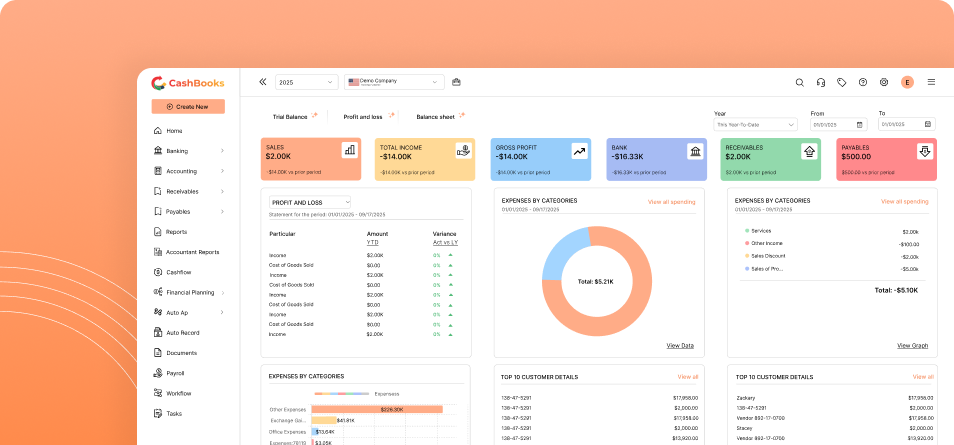
CashBooks.io uses AI to sort bank and card entries with speed and care. It reads bank data, finds repeat entries, and puts them in the right book group. This helps reduce manual work and keeps your books up to date.
With automated transaction categorization, CashBooks.io helps you:
- Link bank and card accounts.
- Sort bank entries with less work.
- Learn from past book data.
- Reduce manual data entry.
- Speed up month-end close.
- Build clear reports.
If you want to know how does AI transaction categorization work, CashBooks.io gives you a smart and easy way to use AI in your day-to-day bookkeeping. Your team can still check AI picks, so you stay in full control while saving time.
Our Expert Insight
AI works best when it supports skilled bookkeepers, not when it replaces them. To get the best results from automated transaction categorization, start with clean book data and a clear chart of accounts. Check AI picks in the first few weeks so the tool can learn how your business works.
When firms know how does AI transaction categorization work, they can trust AI to handle repeat tasks while their team spends more time on reports, tax work, cash flow, and business growth.
Key Takeaways
- AI sorts bank entries into the right bookkeeping category.
- How does AI transaction categorization work starts with bank data and past bookkeeping records.
- Automated transaction categorization helps save time and reduce manual work.
- AI learns from each user's check and gets better over time.
- Good book data leads to better reports and faster month-end close.
- AI works best with skilled bookkeepers.
- CashBooks.io helps keep books clean, fast, and up to date.
FAQs
How does AI transaction categorization work?
AI reads bank data, checks past bookkeeping records, and picks the best book group. As users review or fix bank entries, the AI learns and makes better picks over time.
What is automated transaction categorization?
Automated transaction categorization uses AI to sort bank and card entries into the right book groups. It helps save time, reduce manual work, and keep books more accurate.
Can AI sort all bank entries?
AI can sort most day-to-day bank entries. New or rare entries may still need a quick user check to keep the books right.
Is AI better than manual bookkeeping?
AI is much faster for repeat work and helps reduce errors. Bookkeepers still review hard cases, tax work, and financial reports.
Who should use AI transaction categorization?
Any business that handles many bank or card transactions can benefit. Small firms, startups, online stores, service firms, and large businesses can all use automated transaction categorization to save time and improve bookkeeping.