
August 7, 2026
In this article
- What You Will Learn From This Blog
- What is Bookkeeping Practice Management Software?
- Why Cloud Bookkeeping Software is Replacing Traditional Desktop Systems
- Key Features to Look For in Bookkeeping Practice Management Software
- How Cloud Bookkeeping Software Improves Team Collaboration
- Benefits of Using Bookkeeping Practice Management Software For CPA Firms
- Data Security and Compliance in Cloud Bookkeeping Software
- How AI Enhances Modern Bookkeeping Practice Management Software
- How CashBooks.io Supports Modern Accounting Firms
- Our Expert Perspective
- Key Takeaways
- FAQs
Bookkeeping practice management software is becoming an important tool for CPA firms that manage multiple clients, teams, and financial tasks. Modern accounting firms need systems that organize workflows, reduce manual work, and provide better control over daily operations.
Traditional desktop systems often create limits for firms working with remote teams and multiple client accounts. Cloud solutions now offer better access, data control, and collaboration options.
Cloud bookkeeping software allows accounting professionals to manage records, review tasks, and access financial information from different locations. Firms can maintain organized processes while giving teams the tools needed for accurate bookkeeping services.
What You Will Learn From This Blog
- How bookkeeping practice management software works for CPA firms
- Why cloud bookkeeping software is replacing older desktop tools
- Important features to check before selecting software
- How AI features are changing bookkeeping workflows
- Benefits of using modern accounting technology
- How CashBooks.io supports accounting teams
What is Bookkeeping Practice Management Software?
Bookkeeping practice management software is a system designed to manage accounting workflows, client records, team activities, and financial processes from one platform. CPA firms use these solutions to organize work and maintain better control over bookkeeping operations.
Unlike basic accounting tools, practice management systems focus on managing the complete workflow of an accounting firm.
Client Management
Managing several clients requires proper organization of documents, tasks, and communication. A practice management system keeps client information in one place.
Firms can track deadlines, assign work, and review client progress without checking different systems.
Workflow Organization
Accounting teams handle repeated activities such as transaction reviews, reconciliations, and reporting. A structured workflow reduces confusion between team members.
Automated task assignment and status tracking allow firms to maintain consistent processes.
Document Management
Financial documents often come from different sources. A centralized system stores files securely and allows authorized users to access records when needed.
Better document control reduces the risk of missing important information.
Team Task Tracking
Large accounting teams need clear responsibility for each activity. Practice management tools allow managers to assign tasks and monitor completion.
Team members can understand priorities and complete work within planned timelines.
Client Communication
Clear communication creates stronger relationships between firms and clients. Modern systems provide better ways to share updates and request information.
Clients receive faster responses while firms maintain organized communication records.
Why Cloud Bookkeeping Software is Replacing Traditional Desktop Systems
Cloud bookkeeping software has changed how accounting firms manage financial tasks. Desktop systems require installation, updates, and local storage, which can create limitations for growing firms.
Many CPA firms now prefer cloud bookkeeping software because these platforms offer easier access, better flexibility, and improved workflow management.
Remote Access
With bookkeeping practice management software, accounting teams can also manage client tasks, track progress, and collaborate from any location. Teams can review work whether they are in the office or working remotely.
This access supports firms with distributed teams and multiple locations.
Automatic Updates
Desktop applications often require manual updates. Cloud platforms handle updates automatically, reducing technical maintenance.
Firms can use the latest features without managing complex installations.
Lower Infrastructure Needs
Traditional systems require hardware, storage, and maintenance costs. Cloud solutions reduce the need for additional technical resources.
Small and growing firms can adopt advanced tools without large investments.
Better Data Availability
Financial data needs to be available when accountants require it. Cloud systems provide real-time access to important information.
Managers can review progress and make informed decisions quickly.
Easy System Growth
As client requirements increase, bookkeeping practice management software supports firms by providing tools to manage multiple clients and team responsibilities efficiently.
Cloud bookkeeping software allows firms to expand their usage as client requirements increase without making major system changes.
Key Features to Look For in Bookkeeping Practice Management Software
Choosing the right bookkeeping practice management software requires understanding the features that match accounting firm needs. The right platform should support workflow control, client service, and financial accuracy.
Automated Workflows
Automation reduces repetitive activities and creates consistent processes. Firms can set rules for common tasks and reduce manual tracking.
Client Dashboard
A client dashboard provides a clear view of account status, pending tasks, and important updates.
Accountants can manage client information more efficiently through one interface.
Reporting Tools
Reports provide valuable insights into workflow performance and financial activities. Good reporting features allow firms to review progress and identify areas needing attention.
Integration Options
Accounting firms use different tools for payments, banking, and reporting. Software integrations create smoother data movement between platforms.
Security Controls
Strong access controls protect financial information. User permissions ensure that only approved team members can view specific records.
How Cloud Bookkeeping Software Improves Team Collaboration
Cloud bookkeeping software creates a shared workspace where accounting teams can coordinate tasks and review information. Better collaboration reduces delays and keeps everyone updated.
Shared Information Access
Teams can view the latest client details without sending multiple files through email. Shared access creates better coordination. Accountants can work with updated information and avoid confusion caused by outdated documents.
Task Visibility
Managers can check assigned tasks and completion status. Clear visibility makes workload planning easier. Teams can identify pending activities, manage priorities, and complete assignments within expected timelines.
Faster Reviews
Senior accountants can review work remotely and provide feedback. Teams can complete reviews without waiting for physical file transfers. Faster review cycles allow firms to maintain quality while reducing unnecessary delays.
Better Client Support
Organized information available through bookkeeping practice management software allows accountants to respond to client questions faster with access to relevant records and updates. Easy access to records and communication history helps teams provide accurate updates and better service.
Team Accountability
Tracking features create clear ownership for each task. Team members understand their responsibilities and deadlines. Task records also allow managers to monitor progress and maintain consistent workflow control.
Benefits of Using Bookkeeping Practice Management Software For CPA Firms
Bookkeeping practice management software provides several advantages for CPA firms managing complex client requirements. It creates structured processes and gives firms better operational control.
Reduced Manual Activities
Automation reduces repetitive tasks such as reminders, assignments, and workflow updates. It allows accountants to focus more on financial reviews and client-related activities instead of spending time on routine administration.
Better Client Handling
Firms can manage more clients with organized systems and clear processes. Centralized client information makes it easier to track requests, deadlines, documents, and communication history.
Improved Accuracy
Standard workflows reduce mistakes caused by missing information or incorrect task handling. Consistent processes also allow teams to follow the same methods for reviewing and completing bookkeeping activities.
Time Management
Accountants spend less time managing processes and more time reviewing financial information. Proper task scheduling and tracking help teams complete work within deadlines and improve daily productivity.
Business Growth Support
A reliable system allows firms to handle increasing workloads with better planning. Growing CPA firms can add more clients and team members without creating unnecessary workflow challenges.
Data Security and Compliance in Cloud Bookkeeping Software
Cloud bookkeeping software must follow strong security practices because accounting firms manage sensitive financial records. Data protection is a major requirement for firms working with business and personal financial information. Reliable security measures help maintain client trust and protect important accounting data from potential risks.
Data Encryption
Encryption protects information during storage and transfer. It reduces the risk of unauthorized access. Strong encryption methods ensure that financial records remain protected while moving between users, devices, and cloud systems.
User Permissions
Permission settings in bookkeeping practice management software control who can view or edit specific information, helping firms manage access across their teams. Role-based access allows firms to provide the right level of access to employees based on their responsibilities.
Backup Systems
Regular backups protect important records from unexpected data loss. Automated backup processes allow firms to restore financial information quickly during system failures or technical issues.
Compliance Practices
Accounting firms should select platforms that follow recognized security standards and data protection practices. Compliance-focused systems help firms maintain proper handling of sensitive financial information.
Activity Monitoring
Tracking user activity within bookkeeping practice management software creates better visibility into system usage and security events. Monitoring login records and account actions helps firms identify unusual activities and maintain better control.
How AI Enhances Modern Bookkeeping Practice Management Software
Artificial intelligence is adding new capabilities to bookkeeping systems. AI tools can analyze patterns, suggest actions, and reduce repetitive work.
Modern bookkeeping practice management software with AI features gives accounting teams additional support for daily operations.
Smart Transaction Review
AI can analyze transaction details and suggest possible categories. Accountants can review suggestions before final approval. This reduces manual classification efforts and creates a more organized transaction review process.
Automated Data Analysis
AI tools can identify patterns in financial records and provide useful insights. These insights help accountants review account activities, detect trends, and understand financial information more effectively.
Faster Information Search
AI-powered search allows teams to find records and information quickly. Accountants can locate client details, documents, and financial data without spending extra time searching through multiple files.
Workflow Suggestions
AI can recommend actions based on previous activities and workflow patterns. These suggestions help accounting teams organize tasks, manage priorities, and maintain consistent work processes.
Better Decision Support
AI features provide additional information that helps accountants review financial data. Accountants can use AI-generated insights along with professional judgment to make better-informed decisions.
How CashBooks.io Supports Modern Accounting Firms
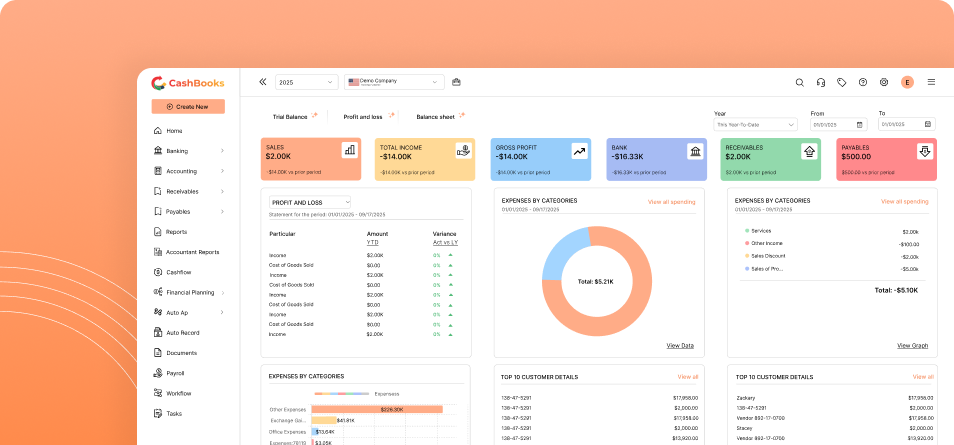
CashBooks.io provides a modern solution for firms looking for efficient accounting workflow management. The platform combines accounting features with AI capabilities to support daily bookkeeping activities.
Many firms need more than basic accounting software. They require bookkeeping practice management software that helps organize client work, improve team coordination, and simplify routine processes.
CashBooks.io provides features similar to leading accounting platforms while adding AI-based assistance for better workflow management. The platform is designed for accounting professionals who want better control over client operations.
Firms can use CashBooks.io to manage bookkeeping activities, organize financial information, and create a more structured working process.
Our Expert Perspective
Accounting firms need technology that matches their workflow needs rather than only focusing on accounting entries. A strong practice management system should provide organization, visibility, and reliable control.
Our experience shows that firms achieve better results when they combine accounting knowledge with smart technology. The right software choice can reduce operational pressure and create more time for valuable client services.
Key Takeaways
- Practice management tools organize accounting workflows
- Cloud systems provide flexible access to financial information
- AI features reduce repetitive bookkeeping activities
- Security controls protect sensitive client records
- CPA firms can manage more clients with structured processes
- CashBooks.io combines accounting tools with AI capabilities
FAQs
What Is Bookkeeping Practice Management Software?
bookkeeping practice management software is a tool that helps accounting firms manage clients, tasks, documents, and workflows from one platform.
Why Do CPA Firms Use Cloud Bookkeeping Software?
CPA firms use cloud bookkeeping software because it provides easy access, better collaboration, and organized financial management.
Is Cloud Bookkeeping Software Safe For Financial Data?
Yes, cloud bookkeeping software can protect financial data through encryption, access controls, backups, and security monitoring.
Can AI Work With Bookkeeping Practice Management Software?
Yes, AI can assist with transaction review, data analysis, and workflow suggestions inside modern bookkeeping systems.
How Does CashBooks.io Help Accounting Firms?
CashBooks.io helps accounting firms manage bookkeeping tasks, organize workflows, and use AI features for better efficiency.