
July 27, 2026
In this article
- What You Will Learn From This Blog
- Introduction to Automated Bookkeeping For CPA Firms
- Why are CPA Firms Moving Toward Automated Bookkeeping?
- How AI Bookkeeping Improves CPA Firm Workflows
- Key Features of Automated Bookkeeping Software For CPA Firms
- How AI Bookkeeping Helps CPAs Reduce Errors and Improve Efficiency
- How to Choose the Right Automated Bookkeeping Solution For a CPA Firm
- Best Practices For Implementing Automated Bookkeeping in CPA Firms
- Why CPA Firms Choose CashBooks.io For Automated Bookkeeping
- Our Expert Perspective
- Key Takeaways
- FAQs
Automated bookkeeping for CPA firms is changing how accounting professionals manage financial records, client accounts, and daily bookkeeping tasks. CPA firms handling multiple clients can reduce manual data entry, transaction reviews, and reconciliation work through automation. These solutions allow accountants to spend more time on analysis and client advisory services.
Modern accounting platforms use artificial intelligence, automation rules, and smart data processing to manage routine bookkeeping activities. With AI bookkeeping, CPA firms can process financial data faster, identify unusual transactions, and maintain accurate records while keeping professional review and approval processes in place.
What You Will Learn From This Blog
- How automated bookkeeping works for CPA firms.
- Why accounting firms are adopting bookkeeping automation.
- How AI features change traditional bookkeeping tasks.
- Key features to look for in accounting automation software.
- Best practices for implementing automation in CPA workflows.
- How CashBooks.io supports modern accounting teams.
Introduction to Automated Bookkeeping For CPA Firms
Automated bookkeeping for CPA firms uses software technology to manage routine accounting tasks with less manual effort. It can record transactions, categorize expenses, match payments, and prepare reports based on set rules. Unlike traditional bookkeeping, automation reduces repetitive data entry while allowing accountants to review and approve important financial activities.
AI technology adds smarter capabilities to bookkeeping workflows by analyzing financial patterns, suggesting categories, and identifying unusual records. AI bookkeeping tools help accounting teams create more organized processes, reduce manual checking, and maintain control over financial information. Automated workflows also connect data from different sources, making transaction tracking and reporting easier.
Accurate financial records are important for tax preparation, audits, and business decisions. Automation creates consistent processes that reduce common bookkeeping mistakes and helps CPA firms meet growing client expectations for faster updates and clear financial insights. By reducing routine tasks, accountants can focus more on analysis and advisory services.
Why are CPA Firms Moving Toward Automated Bookkeeping?
Managing Higher Client Volumes
CPA firms managing multiple clients need organized systems to handle increasing bookkeeping demands. Automated bookkeeping for CPA firms allows teams to manage accounts efficiently with less manual effort.
Reducing Manual Data Entry
Manual data entry requires time and can increase the risk of recording mistakes in financial records. Automation captures information from connected sources, allowing accountants to focus on reviewing results.
Improving Transaction Accuracy
Accurate financial records are important for compliance, reporting, and maintaining client trust. With AI bookkeeping, automated bookkeeping for CPA firms helps identify unusual transactions and review potential errors quickly.
Creating Faster Month-End Closures
Month-end closing involves reconciliation, reporting, and reviewing financial transactions within a short period. Automated systems keep records updated, helping CPA teams complete closing activities faster.
Increasing Focus On Advisory Services
Automation reduces repetitive bookkeeping tasks and gives accountants more time for advisory services. CPA professionals can use financial data to provide better insights and recommendations to clients.
Maintaining Better Client Communication
Clients expect timely financial updates and clear information about their business performance. Automated bookkeeping for CPA firms provides organized records that help CPA firms respond with accurate information.
How AI Bookkeeping Improves CPA Firm Workflows
Automating Transaction Processing
AI bookkeeping tools capture transaction details from connected sources and organize records automatically. Accountants can review suggested entries instead of creating every record manually.
Simplifying Bank Reconciliation
Bank reconciliation requires comparing financial records with bank transactions to find differences. Automated systems match records and highlight exceptions for faster review.
Managing Expense Categorization
Expense categorization requires accurate classification to maintain reliable financial reports. AI-based systems suggest categories based on previous records and transaction patterns.
Improving Invoice And Payment Tracking
Tracking invoices and payments manually can create delays for CPA firms handling many clients. Automated bookkeeping for CPA firms provides organized tracking of receivables and payment updates.
Supporting Client Collaboration
CPA firms need quick access to updated financial information when working with clients. Modern platforms provide organized records that improve communication and workflow management.
Creating Better Financial Reports
Accurate financial reports require clean and properly organized bookkeeping data. Automation prepares reports faster, allowing accountants to focus on financial analysis.
Key Features of Automated Bookkeeping Software For CPA Firms
Automatic Data Capture
Bookkeeping software collects financial data from accounts, invoices, and receipts automatically. Receipt scanning and imports help CPA teams maintain updated records with less manual work.
Smart Transaction Matching
Transaction matching connects bank activity with accounting records and identifies possible matches. AI bookkeeping features suggest matches and highlight entries that need professional review.
Real-Time Financial Updates
Automated systems keep financial information updated for better reporting and analysis. CPA firms can access recent data while preparing reports or advising clients.
Automated Reconciliation Tools
Reconciliation tools compare account records and identify differences between transactions. Automated bookkeeping for CPA firms simplifies reconciliation by reducing manual checks and helping accountants focus on reviewing exceptions.
Custom Workflow Management
Flexible workflows allow CPA firms to create approval steps and manage bookkeeping tasks. Automated bookkeeping for CPA firms can adapt to different client needs and processes.
Secure Data Management
Accounting software should protect financial records through access controls and security features. CPA firms should choose platforms with reliable backup and data protection options.
How AI Bookkeeping Helps CPAs Reduce Errors and Improve Efficiency
Reducing Common Data Entry Mistakes
Manual data entry can create errors when accountants handle large amounts of financial information. AI bookkeeping systems review details and suggest corrections before records are finalized.
Detecting Unusual Transactions
Unusual transactions may indicate duplicate entries or incorrect financial records. AI-based tools identify unusual patterns and allow accountants to review them quickly, helping automated bookkeeping for CPA firms improve transaction accuracy and reduce review time.
Saving Accounting Team Time
Automation reduces the time spent on repetitive bookkeeping activities and routine tasks. CPA teams can focus more on client communication, reviews, and advisory services.
Maintaining Consistent Processes
Different bookkeeping methods among team members can create inconsistent records. Automated workflows apply standard rules while allowing accountants to review important details.
Supporting Better Decision Making
Accurate financial data allows accountants to provide better business recommendations. Automated bookkeeping for CPA firms creates organized information for reporting and planning.
Handling Growing Business Needs
Growing CPA firms need systems that can manage increasing client requirements. Automation allows teams to handle more bookkeeping tasks without adding extra workload.
How to Choose the Right Automated Bookkeeping Solution For a CPA Firm
Evaluate Firm Requirements
CPA firms should review their workflows, client needs, and bookkeeping challenges before selecting software. The right platform should match business goals, reporting needs, and accounting procedures.
Check Automation Capabilities
Firms should review features like transaction processing, reconciliation, reporting, and receipt capture. Automated bookkeeping for CPA firms should reduce manual work while maintaining accountant control.
Review Integration Options
Accounting software should connect with banking, payment, and reporting platforms used by firms. Strong integrations create better workflows and reduce disconnected financial processes.
Consider Data Security Standards
CPA firms manage confidential financial records that require strong protection methods. Software should include access controls, backups, and reliable security practices.
Analyze Ease Of Use
Simple software allows accounting teams and clients to adopt new systems easily. A clear interface helps users manage tasks without unnecessary complexity.
Measure Long-Term Value
CPA firms should consider future growth when selecting bookkeeping software. A scalable solution can support changing client needs and increasing workloads.
Best Practices For Implementing Automated Bookkeeping in CPA Firms
Start With Process Review
CPA firms should review existing bookkeeping procedures before introducing automation. Identifying workflow gaps helps teams create a practical implementation plan.
Train Accounting Teams
Proper training allows employees to understand software features and daily workflows. Regular learning sessions help teams use automation tools effectively.
Maintain Human Review
Accountants should review important transactions and financial reports before approval. Professional judgment remains essential when managing automated bookkeeping processes.
Create Standard Workflows
Standard processes help CPA firms maintain consistent quality across client accounts. Automated bookkeeping for CPA firms works better with clear internal procedures.
Monitor Software Performance
Regular reviews help firms measure automation results and identify improvement areas. Tracking workflow efficiency and accuracy supports better software management.
Protect Client Information
CPA firms should follow strong security practices when managing financial data. Proper access controls and data handling methods protect client information.
Why CPA Firms Choose CashBooks.io For Automated Bookkeeping
AI-Powered Accounting Workflows
CashBooks.io provides modern accounting capabilities designed for firms that want smarter bookkeeping processes. The platform uses AI features to reduce repetitive accounting activities.
The system allows accounting teams to manage financial records while keeping professional review and control throughout the workflow.
Automated Transaction Management
CashBooks.io helps organize financial transactions by reducing manual record preparation. Accountants can review categorized information and maintain accurate bookkeeping records.
The platform is designed to support firms managing multiple clients and higher transaction volumes through scalable automated bookkeeping for CPA firms.
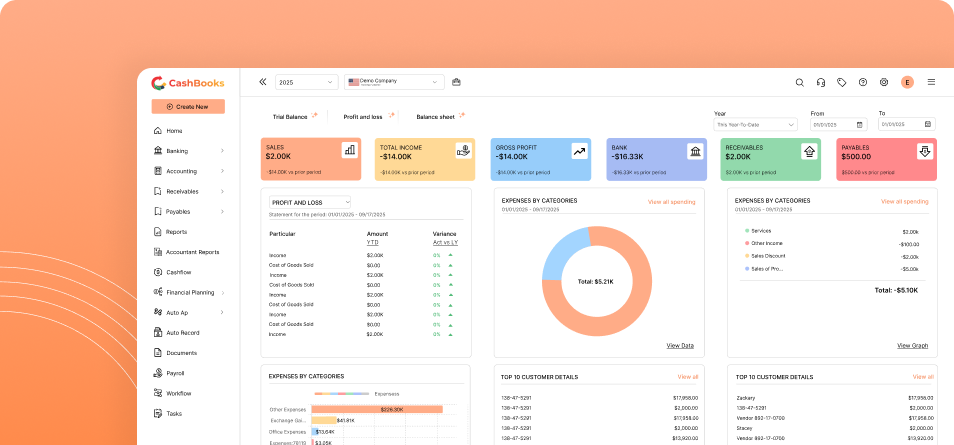
Better Financial Visibility
Access to organized financial information allows CPA firms to understand client accounts more clearly. Updated records support reporting, analysis, and financial discussions.
CashBooks.io provides tools that help firms manage bookkeeping tasks with improved visibility and control.
Designed For Accounting Professionals
Accounting firms require software that fits professional workflows. CashBooks.io focuses on features that support accountants rather than replacing their expertise.
The platform combines automation with accountant review, creating a balanced approach to modern bookkeeping.
Supporting Growth Of CPA Firms
Growing firms need systems that can handle increasing client demands. CashBooks.io provides automation features that allow teams to manage bookkeeping operations more effectively.
By reducing repetitive activities, the platform allows professionals to focus on higher-value accounting services.
A Practical Alternative For Modern Firms
Many CPA firms are exploring alternatives to traditional accounting systems because they need more automation and smarter workflows through solutions focused on automated bookkeeping for CPA firms.
CashBooks.io combines standard accounting features with AI capabilities, giving firms a solution designed for modern bookkeeping requirements.
Our Expert Perspective
Selecting accounting software should depend on a firm’s workflow, client expectations, and long-term goals. Automation is valuable when it creates better processes without removing professional accounting judgment.
CPA firms should focus on solutions that improve accuracy, reduce repetitive work, and provide clear financial information. The best technology works alongside accountants by supporting their expertise and allowing them to deliver stronger client services.
A successful automation strategy requires more than software adoption. Firms should also invest in team training, workflow planning, and regular process reviews to achieve consistent results.
Key Takeaways
- Automated bookkeeping for CPA firms allows accounting teams to reduce repetitive tasks and focus more on client-focused financial services.
- AI features provide smarter transaction reviews and data processing.
- Automation creates organized workflows for managing multiple clients.
- Accurate financial records support better reporting and advisory services.
- CPA firms should choose software based on security, features, and scalability.
- Human review remains important for maintaining accounting quality.
- CashBooks.io provides AI-powered tools designed to support automated bookkeeping for CPA firms and modern accounting workflows.
FAQs
What Is Automated Bookkeeping For CPA Firms?
Automated bookkeeping for CPA firms uses software to manage tasks like transaction entry, reconciliation, and financial reporting with less manual work.
How Does AI Bookkeeping Work For Accounting Firms?
AI bookkeeping analyzes financial data, recognizes patterns, and provides suggestions for tasks such as transaction matching and expense classification.
Can Automated Bookkeeping Replace Accountants?
No, automated bookkeeping does not replace accountants. It reduces routine work and allows professionals to focus on review, analysis, and client services.
Is Automated Bookkeeping Safe For CPA Firms?
Yes, reliable accounting software uses security features such as access controls and data protection methods to protect financial information.
Why Should CPA Firms Use AI Bookkeeping Software?
CPA firms use AI bookkeeping software to save time, reduce manual errors, organize financial records, and manage client accounts more efficiently.