August 24, 2026
In this article
- What You Will Learn From This Blog
- How Accounting Firms Use AI to Onboard More Clients
- How Accounting Firms Use AI to Onboard More Clients Faster
- How Accounting Practice Automation Improves the Client Onboarding Process
- Key AI Features That Simplify Client Onboarding
- Common Client Onboarding Challenges AI Can Solve
- Best Practices for Using Accounting Practice Automation Successfully
- Why CashBooks.io is a Smart Choice For AI-Powered Client Onboarding
- Our Expert Perspective
- Key Takeaways
- FAQs
Businesses now expect fast, simple, and digital client onboarding, making traditional manual processes less effective. Understanding how accounting firms use AI to onboard more clients is essential because AI automates repetitive onboarding tasks, organizes client information, simplifies document collection, and speeds up account setup.
This allows accounting firms to onboard more clients efficiently, reduce administrative work, deliver a better client experience, and give accountants more time to focus on financial advice and building long-term client relationships.
This blog explains how accounting firms use AI to onboard more clients, the role of accounting practice automation, common onboarding challenges, practical AI features, and how firms can build a smooth onboarding process that creates a better first impression.
What You Will Learn From This Blog
- Understand how accounting firms use AI to onboard more clients efficiently.
- Learn why client onboarding affects long-term business growth.
- Explore how accounting practice automation reduces repetitive administrative work.
- Explore AI features that simplify document collection and client communication.
- Identify common onboarding problems that AI can solve.
- Learn best practices for implementing AI in accounting firms.
- See how CashBooks.io simplifies client onboarding with AI-powered accounting tools.
How Accounting Firms Use AI to Onboard More Clients
Client onboarding includes collecting business information, verifying documents, creating client records, and preparing businesses for ongoing accounting services. Today, how accounting firms use AI to onboard more clients has shifted from manual processes to automated workflows.
AI helps firms collect documents, organize client information, track onboarding progress, and reduce administrative work, allowing accountants to focus on delivering professional financial services.
Understanding AI in Client Onboarding
Artificial intelligence analyzes information, recognizes patterns, and performs routine actions without requiring constant manual input. During onboarding, AI organizes client data and reduces repetitive work.
Instead of entering the same information repeatedly, firms can automate many early onboarding activities while maintaining accuracy.
Why Traditional Onboarding Takes Longer
Many firms still depend on spreadsheets, emails, printed forms, and manual approvals. Staff often spend hours requesting missing documents and updating multiple systems.
These repeated tasks create delays, especially when several new clients join at the same time.
Why Client Experience Matters
The onboarding stage creates the first impression of an accounting firm. Slow communication or repeated requests for information can reduce client confidence.
A well-organized onboarding process creates trust and demonstrates professionalism from the beginning.
Where AI Fits Into the Process
AI works throughout the onboarding journey instead of replacing accountants. It manages routine activities while accountants review financial information and answer client questions.
This balance increases productivity without reducing personal service.
The Connection With Accounting Practice Automation
Understanding how accounting firms use AI to onboard more clients also requires understanding accounting practice automation. Automation connects client forms, document storage, workflow management, reminders, approvals, and accounting software into one organized process.
When AI and automation work together, firms spend less time on administration and more time serving clients.
How Accounting Firms Use AI to Onboard More Clients Faster
Modern firms are redesigning onboarding by replacing repetitive manual work with AI-powered workflows. Understanding how accounting firms use AI to onboard more clients begins with examining each stage of the onboarding process.
Automating Client Information Collection
AI-powered forms collect business details and automatically organize client data, reducing repetitive work. How accounting firms use AI to onboard more clients often begins with automating client information collection, allowing teams to save time and improve onboarding accuracy.
Simplifying Document Collection
AI tracks document uploads, identifies missing files, and sends reminders without manual follow-ups. This keeps onboarding organized and reduces unnecessary delays.
Reducing Manual Data Entry
AI extracts important information from uploaded documents and enters it into accounting records accurately. Staff spends more time reviewing financial data instead of typing it manually.
Using Smart Workflow Management
AI assigns tasks, monitors progress, and keeps every onboarding step on schedule. This structured process becomes even more effective with accounting practice automation.
Improving Client Communication
AI automatically sends onboarding updates, document reminders, and confirmation messages to clients. Faster communication creates a better onboarding experience from the start.
Supporting Compliance Checks
AI reviews submitted information, identifies missing records, and prepares documents for professional review. This reduces administrative effort while maintaining compliance standards.
How Accounting Practice Automation Improves the Client Onboarding Process
Accounting practice automation simplifies every stage of client onboarding by automating document collection, approvals, workflows, and client communication. Understanding how accounting firms use AI to onboard more clients shows how automation reduces manual work, speeds up onboarding, and creates a consistent experience for every new client.
Creates Standardized Onboarding Workflows
Automated onboarding workflows create consistent processes with predefined tasks, approvals, and responsibilities. Every client follows the same structured approach, reducing errors, preventing missed steps, and improving overall onboarding efficiency.
Automates Client Follow-Ups
Automation sends reminders for pending documents, unsigned agreements, and incomplete forms automatically. This keeps onboarding moving without repeated manual follow-ups.
Keeps Client Information Organized
Automation stores client records, documents, and communication history in one secure location. Teams can quickly access accurate information throughout the onboarding process.
Tracks Every Onboarding Stage
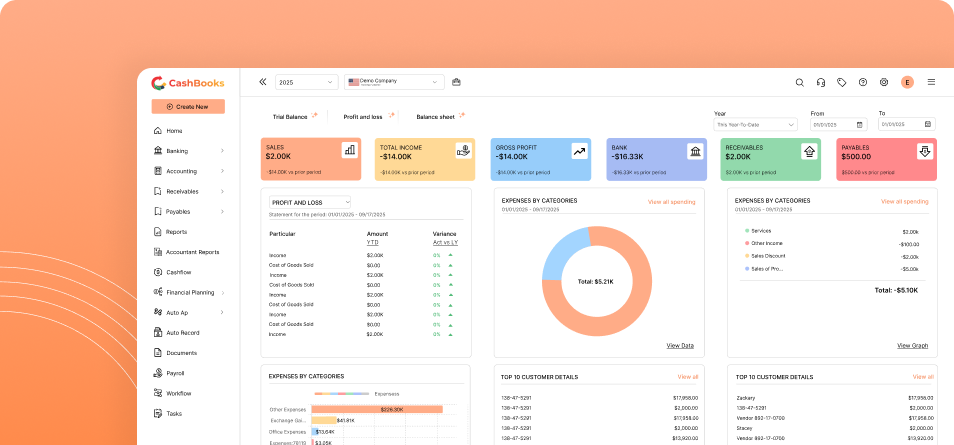
Automated dashboards show the status of every onboarding task in real time. Firms can identify delays early and complete onboarding more efficiently.
Reduces Administrative Work
AI automates repetitive tasks such as record updates, task assignments, and checklist management. Staff spend more time on client service instead of routine administration.
Builds Better Team Collaboration
Automation shares updates, assigns responsibilities, and records completed tasks across departments. Everyone works with the same information, creating a smoother onboarding experience.
Key AI Features That Simplify Client Onboarding
Understanding how accounting firms use AI to onboard more clients becomes easier when looking at the AI features available in modern accounting software. These features reduce manual effort while creating a better experience for both firms and clients.
Smart Client Intake Forms
AI-powered intake forms guide clients through every step and validate required information before submission. This demonstrates how accounting firms use AI to onboard more clients with fewer delays.
Document Recognition Technology
AI reads invoices, bank statements, and business documents to extract important information automatically. This reduces manual data entry and increases accuracy.
Intelligent Task Management
AI assigns onboarding tasks, tracks progress, and alerts team members when action is required. Every onboarding project stays organized from start to finish.
Automated Client Communication
AI sends welcome emails, progress updates, document reminders, and confirmation messages automatically. Clients stay informed without waiting for manual responses.
Data Validation And Error Detection
AI identifies missing information, duplicate records, and incorrect entries before they enter the accounting system. Early validation reduces errors and avoids unnecessary rework.
Workflow Analytics And Performance Reporting
AI tracks onboarding timelines, pending tasks, and workflow performance through detailed reports. Firms can identify process gaps and make informed improvements.
Common Client Onboarding Challenges AI Can Solve
Client onboarding often becomes slower because firms depend on manual processes that increase workload and create unnecessary delays. Understanding how accounting firms use AI to onboard more clients means recognizing the common problems AI addresses throughout the onboarding journey.
Repeated Requests for Missing Documents
Clients sometimes submit incomplete information, requiring several follow-up emails. AI automatically identifies missing documents, updates the client checklist, and sends reminders until all required files are received.
Manual Data Entry Errors
Typing financial information into multiple systems increases the chance of mistakes. AI extracts information directly from uploaded documents, reducing repetitive entry while allowing accountants to verify important details before approval.
Slow Internal Approvals
Approvals often remain pending because staff are unaware that action is required. AI sends instant notifications when reviews or approvals are waiting, reducing unnecessary delays in the onboarding process.
Poor Visibility Across Teams
Different departments may not know the onboarding status of each client. AI-powered workflow dashboards provide real-time progress updates so every team member works from the same information.
High Administrative Workload
Administrative responsibilities can limit the time accountants spend advising clients. Combining AI with accounting practice automation reduces repetitive office work, allowing professionals to focus on financial planning, reporting, and client relationships.
This practical approach shows how accounting firms use AI to onboard more clients without increasing administrative pressure.
Inconsistent Client Experience
Different staff members may follow different onboarding procedures. Standardized AI workflows create the same onboarding process for every client, ensuring consistency and professionalism regardless of team size.
Best Practices for Using Accounting Practice Automation Successfully
Accounting practice automation delivers better results when combined with clear workflows, regular team training, and ongoing process improvements. Firms that understand how accounting firms use AI to onboard more clients focus on optimizing both technology and internal processes to create a faster, more consistent onboarding experience.
Map Your Onboarding Process First
Review every onboarding step before introducing AI. Identify where delays occur, which tasks repeat most often, and which activities consume the most staff time. A clear process allows automation to produce better results.
Keep Human Review for Important Decisions
AI can organize information and identify missing data, but professional judgment remains essential. Qualified accountants should review client information, verify compliance requirements, and approve important onboarding decisions before accounts become active.
Train Your Team Regularly
Learning how accounting firms use AI to onboard more clients also requires every employee to understand the technology and follow standardized workflows.
Provide practical training on workflows, document management, AI features, and client communication so the entire team follows the same onboarding process.
Protect Client Information
Accounting firms manage confidential financial information that requires strong security controls. Use secure cloud platforms, role-based access, encrypted document storage, and multi-factor authentication to protect client records throughout the onboarding process.
Monitor Performance Metrics
Track measurable results after implementing AI. Review onboarding completion time, document turnaround, client response time, and workflow efficiency to identify opportunities for continuous improvement.
Review and Update Workflows
Business needs change over time, and onboarding processes should change with them. Regularly evaluate automated workflows, remove unnecessary steps, and update procedures to keep onboarding efficient and aligned with client expectations.
Why CashBooks.io is a Smart Choice For AI-Powered Client Onboarding
For firms looking to understand how accounting firms use AI to onboard more clients, choosing the right software is just as important as improving internal workflows. CashBooks.io combines modern accounting capabilities with AI-driven features that simplify client onboarding while reducing repetitive administrative work.
AI-Powered Client Onboarding
CashBooks.io automates client information collection, document management, and workflow tracking, allowing firms to onboard new clients in less time without sacrificing accuracy.
Built-In Accounting Practice Automation
The platform includes workflow automation features that organize onboarding tasks, assign responsibilities, monitor progress, and keep every client record in one secure location.
Centralized Financial Management
Instead of switching between multiple applications, firms can manage bookkeeping, invoicing, bank reconciliation, reporting, and client records from a single platform.
Smarter Workflow Management
Automated reminders, approval tracking, and real-time progress updates reduce manual coordination and give accounting teams better visibility into every onboarding stage.
Designed For Growing Firms
CashBooks.io helps growing firms streamline client onboarding with AI-driven automation and standardized workflows. Businesses looking to understand how accounting firms use AI to onboard more clients can rely on the platform to reduce manual work, improve consistency, and support growth at every stage.
Built To Increase Productivity
By combining AI with accounting practice automation, CashBooks.io reflects how accounting firms use AI to onboard more clients, allowing accountants to spend more time advising clients and less time managing repetitive administrative tasks.
Our Expert Perspective
After working with accounting firms of different sizes, one pattern appears consistently. The firms that grow faster are often the ones that understand how accounting firms use AI to onboard more clients through efficient and standardized workflows. They are the firms that remove unnecessary manual work and create simple, repeatable onboarding processes.
AI should not replace professional accountants. Instead, it should handle routine administrative activities such as document collection, workflow tracking, reminders, and data organization. This gives accountants more time to build client relationships, provide financial advice, and review important information that requires professional judgment.
Firms that combine AI with well-planned accounting practice automation are better prepared to manage increasing client demand while maintaining service quality and operational consistency.
Key Takeaways
- Understanding how accounting firms use AI to onboard more clients starts with improving the onboarding workflow.
- AI reduces repetitive administrative work and allows accountants to spend more time with clients.
- Accounting practice automation creates consistent onboarding processes across the entire firm.
- Automated document collection reduces delays caused by missing information.
- AI-powered workflow tracking keeps onboarding projects organized and visible.
- Standardized onboarding creates a better client experience from the first interaction.
- Human review remains essential for compliance, financial accuracy, and professional advice.
- Regular workflow reviews ensure AI continues delivering measurable business value.
FAQs
How accounting firms use AI to onboard more clients?
Accounting firms use AI to collect client information, organize documents, automate follow-ups, assign onboarding tasks, and reduce manual data entry. This creates a faster and more consistent onboarding process.
What is accounting practice automation?
Accounting practice automation uses software to automate routine work such as client onboarding, workflow management, document collection, approvals, reminders, and task tracking.
Can AI replace accountants during client onboarding?
No. AI manages repetitive administrative tasks, while accountants review financial information, verify compliance, answer client questions, and make professional decisions.
Why is AI useful for client onboarding?
AI reduces manual work, shortens onboarding time, organizes client records, lowers the chance of data entry errors, and provides clients with faster responses throughout the onboarding process.
Which software can simplify AI-powered client onboarding?
CashBooks.io combines AI-powered accounting features with intelligent workflow automation to simplify client onboarding, manage workflows, organize documents, and support accounting firms as they grow.